9 hr
Aomori Natural Wonders: Oirase Gorge, Towada Lake & Hakkoda Ropeway
- Expert local guide
- Small group
- Skip-the-line access
- Free cancellation
Oirase Gorge Tour — Trail Walks Through Japan's Mountain Stream Paradise
Fourteen kilometers of waterfalls and virgin forest, where moss grows thick and the Oirase River carves stone
Compare fares, pick the fit — all bookings are mobile-voucher and eligible for free cancellation where shown.
9 hr
5 hr
5 hr
| Experience | Duration | Rating | Transfers | Pickup | Guide | Free cancel. | Price | |
|---|---|---|---|---|---|---|---|---|
|
Guided Experience
Most popular
Aomori Natural Wonders: Oirase Gorge, Towada Lake & Hakkoda Ropeway
|
9 hr | ★ 4.5 | — | ✓ | ✓ | ✓ | $144 | Book → |
|
Standard Entry
Takayama Inari Shrine & Jomon Heritage Tour
|
5 hr | ★ 4.9 | ✓ | ✓ | ✓ | ✓ | $257 | Book → |
|
Luxury / Private
Private Aomori Discovery Tour with Local Expert
|
5 hr | ★ 5.0 | — | — | — | ✓ | $157 | Book → |
They complement each other, though the oirase gorge tour offers an active immersion in forest ecology while the cruise provides a passive perspective of volcanic caldera landscapes.
|
Top pick Oirase Gorge Tour |
Lake Towada Cruise | |
|---|---|---|
| Activity level | High — hiking focus | Low — seated observation |
| Terrain interaction | Direct trail walking | None — vessel travel |
| Primary subject | Riverine cascades and flora | Panoramic crater lake views |
| Best for | Photography and physical exercise | Relaxation and wide-angle sightseeing |
| Difficulty level | Moderate endurance required | Easy — minimal movement |
| Oirase gorge tour tours | Available to walk | Available to book |
| See tickets & prices |
Verdict: Choose the oirase gorge tour tickets if you prefer close-up forest exploration, or select the cruise for a scenic, low-impact way to see Aomori landmarks.
Hand-picked experiences loved by thousands of travelers
7 - 7.5 hours
Free Cancellation
Journey through Aomori's pristine landscapes, from cascading waterfalls to a serene volcanic lake.
7 hours
Free Cancellation
Cruise port excursion showcasing Aomori's gorge trails, caldera lake, and mountain scenery with private transport
9 hours
Free Cancellation
Full-day private excursion from cruise terminal featuring mountain ropeway, forest gorge walks, and lakeside views
6 hours
Free Cancellation
Explore northern Japan's cultural gem with a personalized walking tour tailored to your interests
4.5 hours
Free Cancellation
Shop for ingredients at a neighborhood market, then learn traditional family recipes in a welcoming Aomori home
8 hours
Free Cancellation
Discover UNESCO-listed natural wonders and Aomori's rich heritage on this fully customizable private tour
1.5 hours
Free Cancellation
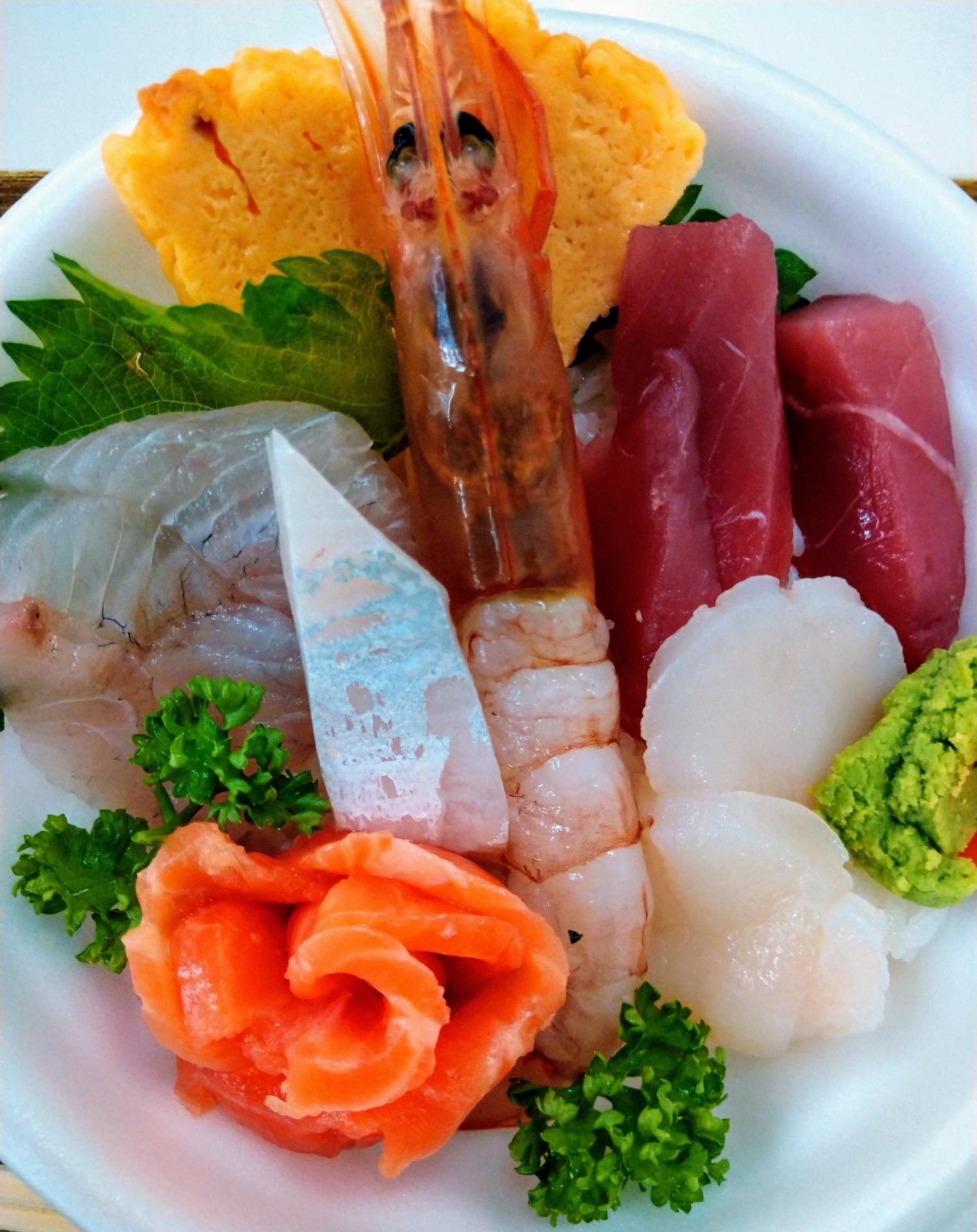
Explore a local market and craft a personalized Nokke-don bowl with fresh toppings you select yourself
2 days
Free Cancellation
Experience Japan's electrifying summer festival from reserved seats, then explore pristine gorges and lakes
Begin by exploring the lower, quieter reaches of the stream.
A mid-trail hub ideal for resting and photography.
View one of the most majestic multi-tiered waterfalls.
The largest, most iconic waterfall on the main stream.
The picturesque point where the stream meets Lake Towada.
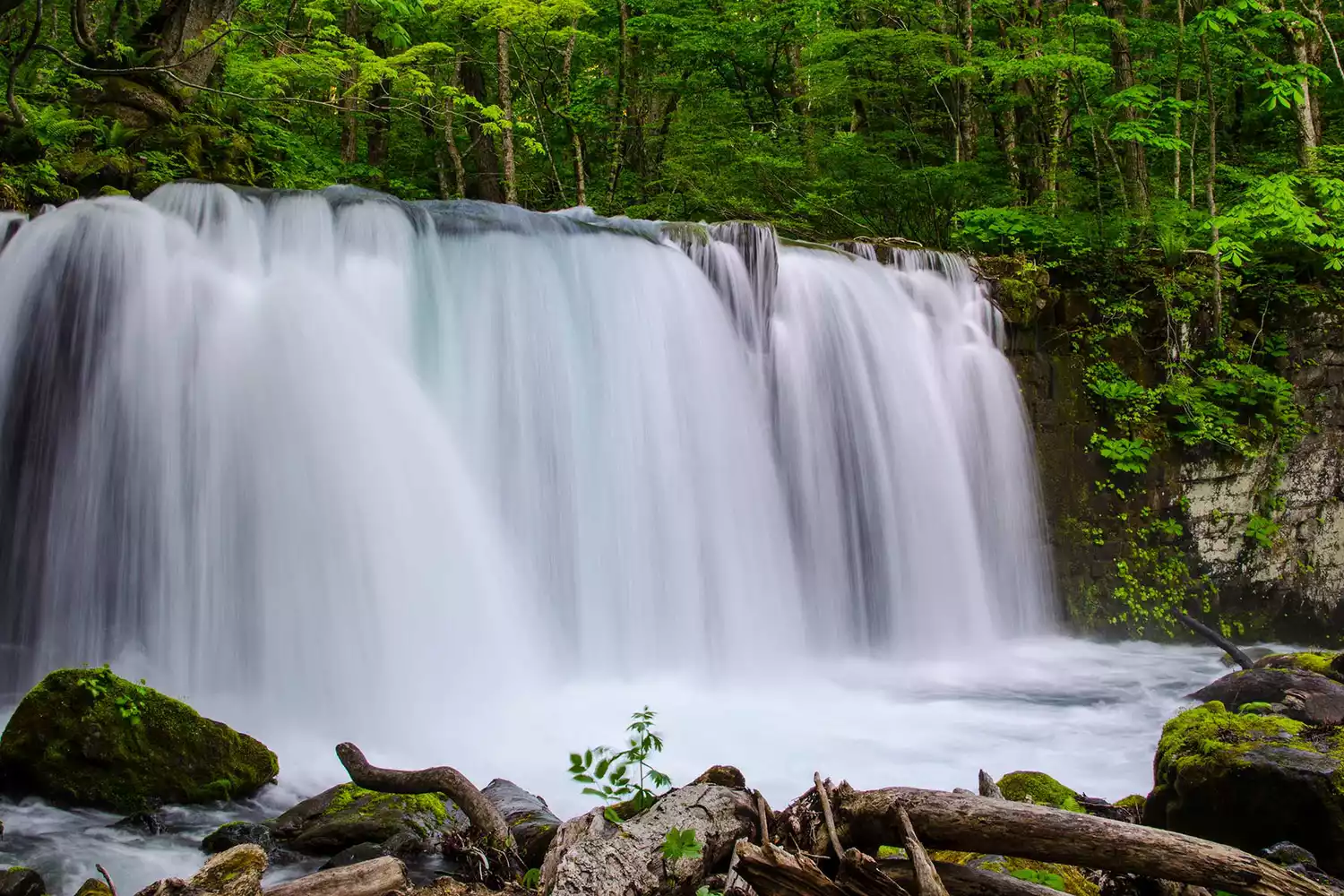
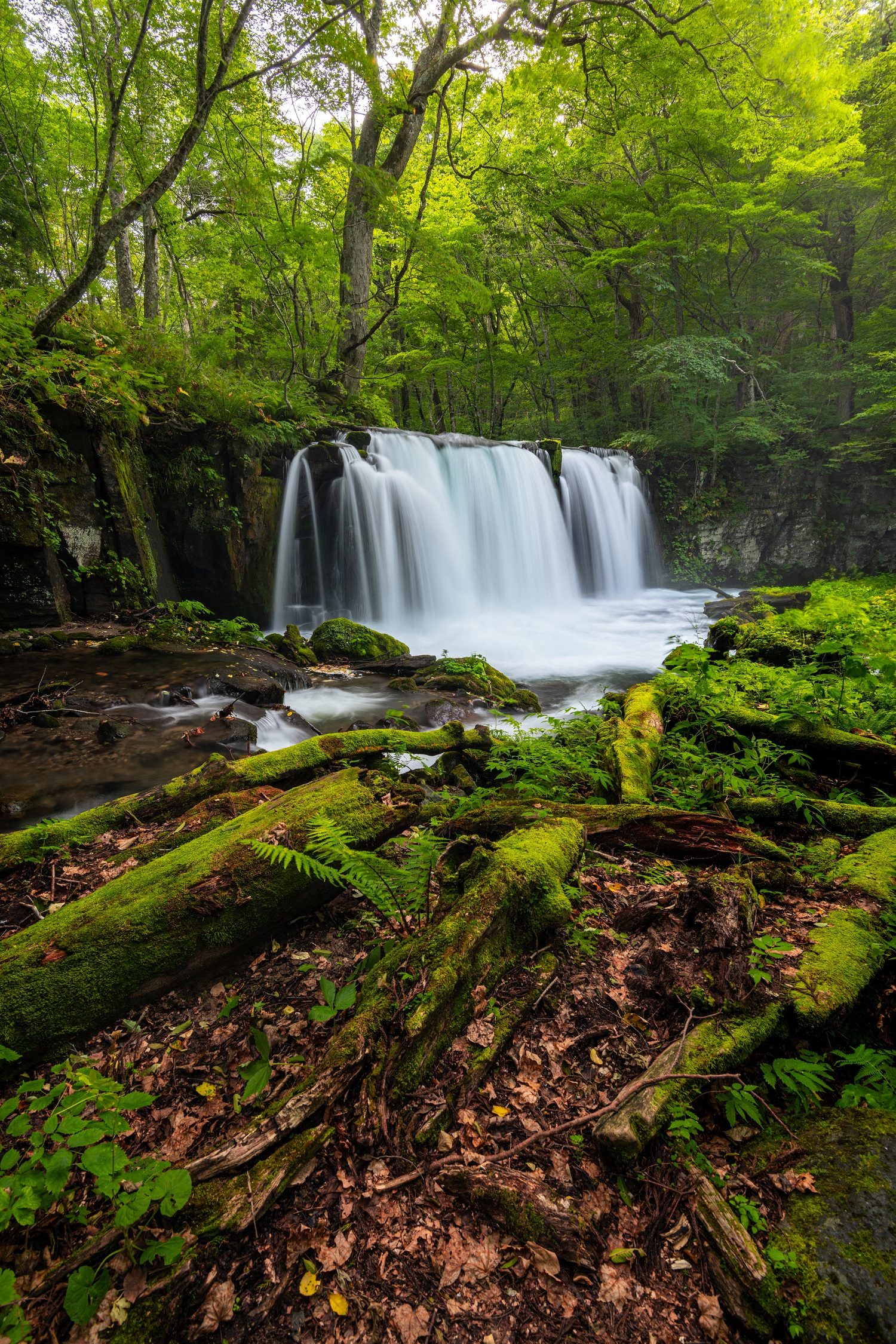
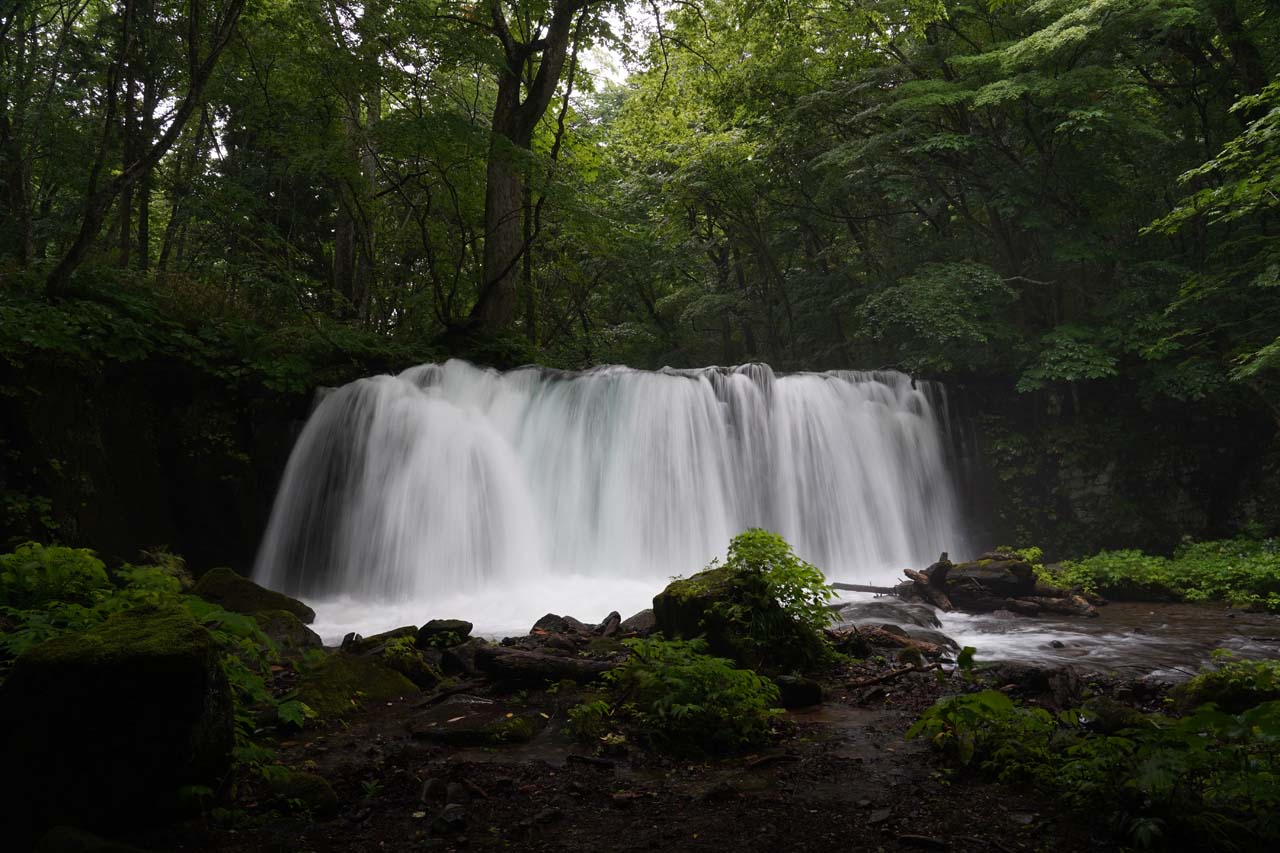
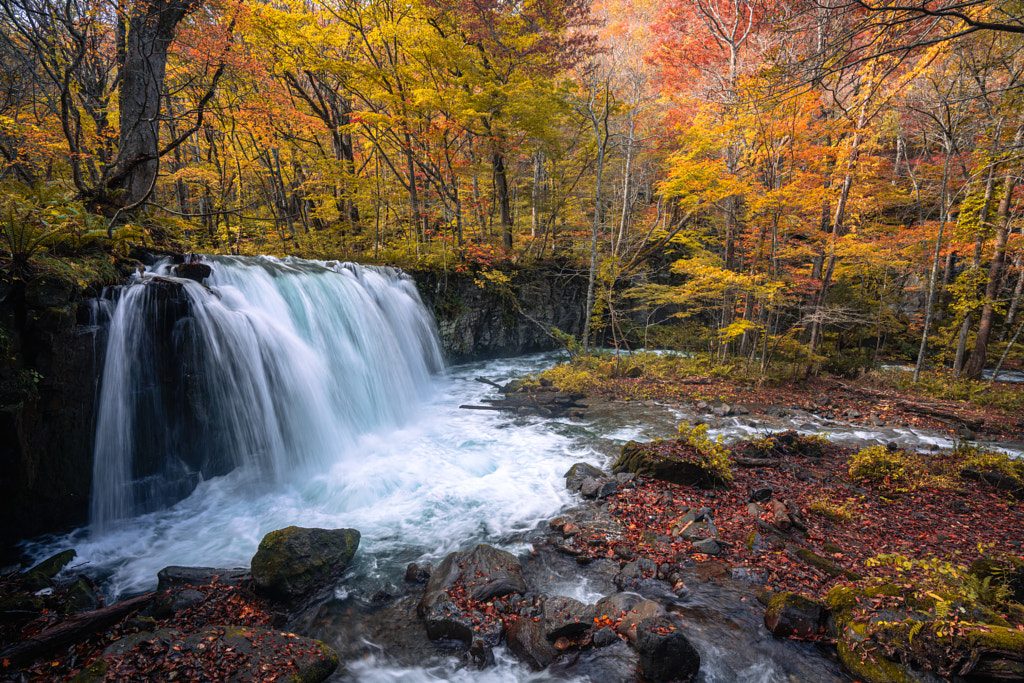
This massive 7-meter high, 20-meter wide waterfall is the only cascade on the main stream and acts as a natural landmark. It is renowned for its sheer power and spray, creating a visual climax for those on an oirase gorge tour.
This spectacular three-tiered waterfall drops from a high cliff into the forest, offering one of the most photogenic stops along the gorge. It is a major highlight for anyone tracking the specific waterfall locations on an oirase gorge tour.
Often featured in posters and media, this section showcases the most violent, masculine flow of the stream through a narrow, rocky channel. It represents the quintessential, high-energy beauty that defines an oirase gorge tour.
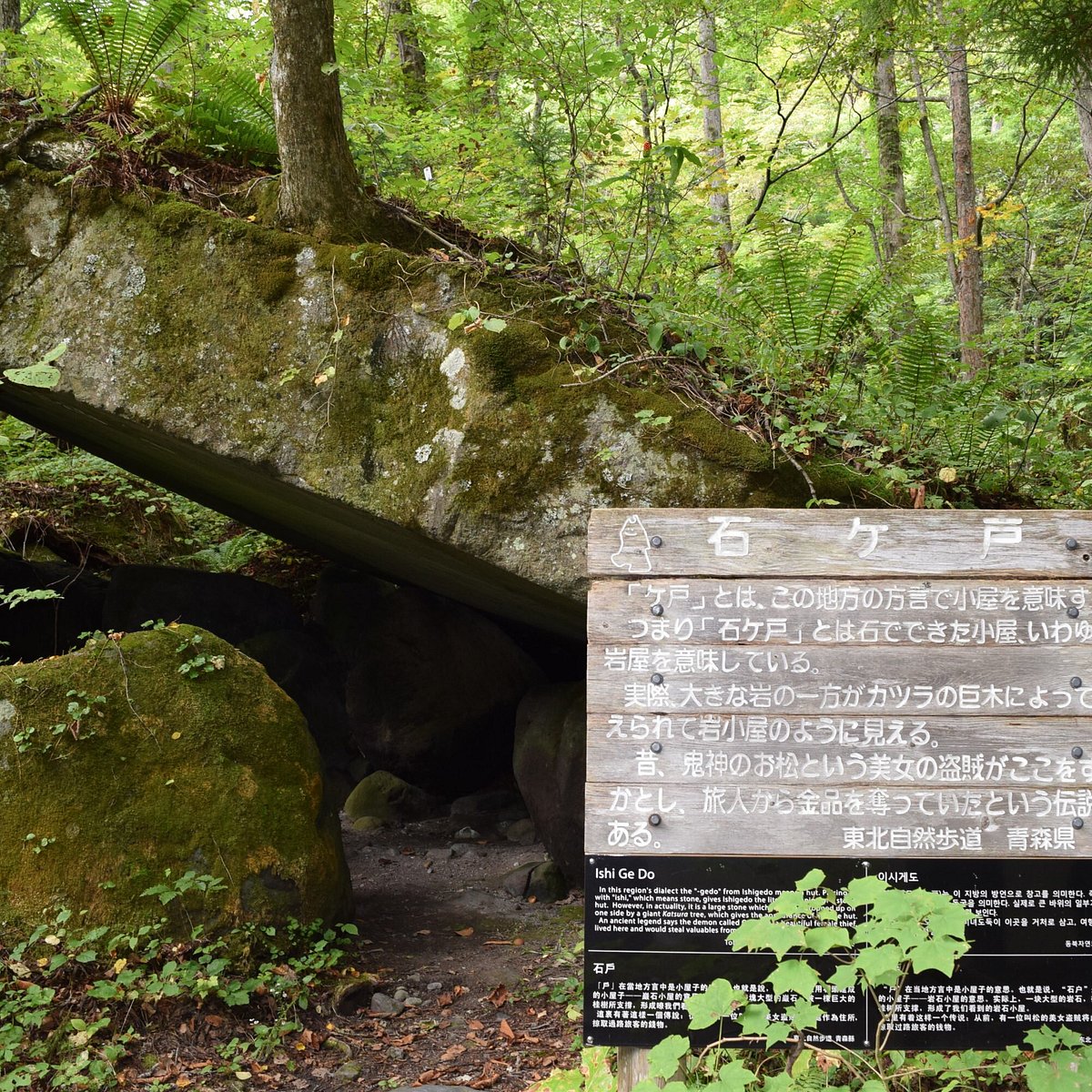
Named for the ancient stone hut legend, this central point features a giant rock supported by a centuries-old tree. It serves as a vital anchor point for navigation and rest during a long oirase gorge tour.
You arrive at Nenokuchi as dawn breaks over Lake Towada, the trailhead quiet except for the river's steady roar. The paved path descends immediately into forest, following the stream's west bank as the water rushes over basalt ledges and splits around mid-channel boulders.
Within minutes, the road noise fades and the only sound is the Oirase's cascade. You pass Choshi Falls first, a 7-meter drop where the entire river plunges over a single ledge, spray wetting the observation platform. The trail continues south, weaving between beech trunks and crossing small tributaries on wooden bridges.
You reach Kumoi Falls by mid-morning, the sun now high enough to illuminate the 25-meter cascade that splits into three channels before rejoining below. Moss covers every rock face, green and thick, fed by constant mist. The path widens here, and you encounter other walkers, but the forest absorbs sound and the crowd disperses. You pause at Ishigedo, where the river narrows to 3 meters and the current accelerates through a stone chute. The final stretch to Yakeyama opens onto broader views, the valley floor leveling and the maples giving way to mixed conifers. You exit the trail four hours after starting, legs tired but the memory of water and stone vivid.
All the details about your upcoming adventure in one place
The oirase gorge tour follows a 14-kilometer stream trail through old-growth beech forest in Towada-Hachimantai National Park. Walkers trace the Oirase River from Nenokuchi to Yakeyama, passing waterfalls, mossy rock formations, and seasonal foliage that peak in mid-October. Many visitors combine oirase gorge tour tickets with Lake Towada access for a full-day nature circuit.
The Oirase Gorge was formed over millennia as volcanic meltwater from Lake Towada carved a narrow channel through basalt and andesite bedrock, creating a 14-kilometer riparian corridor that remains one of northern Japan's few virgin broadleaf forests.
The stream drops 340 meters from the lake's outlet to the town of Yakeyama, generating dozens of named waterfalls — Choshi Falls, Kumoi Falls, the White Thread cascades — and a continuous rush of white water over moss-covered boulders. The gorge remained largely inaccessible until 1928, when a footpath was completed along the stream's south bank. That trail, now paved and extended to both sides, allows visitors to walk the entire length without technical climbing, following the Oirase River's descent through dense stands of beech, oak, and Japanese maple.
The gorge sits within Towada-Hachimantai National Park, designated in 1936 and spanning 85,000 hectares of volcanic highlands and caldera lakes. The Oirase watershed is protected as a Special Protection Zone, prohibiting logging, development, and off-trail access to preserve the bryophyte diversity — over 300 moss species — that blankets the forest floor and stream banks. The microclimate, fed by year-round mist from the rapids, sustains vegetation found nowhere else at this latitude. Winter conditions close parts of the trail from December to April, but snow-covered tours operate on the lower sections, where icicles form on the cliff faces and the waterfalls freeze mid-cascade. Night walks, introduced in 2019, reveal bioluminescent fungi along the trail margins during summer months.
The Oirase Gorge tour routes divide into three segments: the upper gorge from Nenokuchi to Ishigedo, where the current is swift and the path narrow; the middle section from Ishigedo to Kumoi, marked by large waterfalls and observation decks; and the lower gorge from Kumoi to Yakeyama, where the valley widens and the stream slows. Most visitors walk only the middle 9 kilometers, where the trail is widest and waterfall density highest. The complete walk requires four to six hours at a steady pace, with no steep grades but constant elevation change. Shuttle buses link the trailheads, allowing one-way hikes without backtracking. The gorge draws two million visitors annually, with peak congestion in late October when the maple canopy turns crimson. Early-morning access, before 9:00, reveals the forest empty and the light filtering through mist rising from the rapids.

The Oirase watershed is protected as a Special Protection Zone, prohibiting logging, development, and off-trail access to preserve the bryophyte diversity — over 300 moss species — that blankets the forest floor and stream banks.
Wear sturdy, non-slip walking shoes suitable for moist, uneven forest paths. Dress in layers, as temperatures near the stream can be significantly cooler than in surrounding towns.
There are no lockers at the trailheads, though luggage delivery services may be available at designated visitor centers. Keep personal belongings light to maintain mobility on the trail during your oirase gorge tour.
Tripods are common but ensure they do not obstruct the path for other pedestrians. The best light for capturing the moss-covered rocks and waterfalls is during the early morning hours, supporting the ideal oirase gorge tour photography window.
The trail is suitable for families, though children should be supervised near the water's edge and along road-adjacent sections. Many families find the shorter segments of the trail perfect for a child-friendly oirase gorge tour experience.
The trail is generally well-maintained and gentle, but certain sections near the water may involve natural roots, rocks, or slippery wooden steps. Wheelchair users should consult local visitor information as accessibility varies significantly by segment.
Carry sufficient water and light snacks, as facilities are sparse along the central trail. Please pack out all trash to help preserve this national treasure, which is a core expectation for every responsible oirase gorge tour participant.
Opening Hours
00:00–23:59
Address
183 Tochikubo, Okuse, Towada-shi, Aomori 034-0301, Japan
Entry Fee
0 JPY (Free entry)
Best Arrival
06:00–09:00 — Avoid mid-day crowds and experience the best light for photography.
Contact
+81176752425
Official Site
https://towadako.or.jp/towadako-oirase/
Public transport · 1.5–2 hours · Approx. 2,000–3,500 JPY
Take a JR bus from Aomori or Hachinohe Station bound for Towada-ko and disembark at your preferred trailhead stop.
Car · Varies by route · Free to paid parking
Follow National Highway 102/103; parking is available at Nenokuchi or Yakeyama, but restrictions may apply in autumn.
As a public natural area with free entry, no tickets or reservations are required for general access. Oirase gorge tour tours or private guided experiences should be verified directly with individual operators for their specific refund windows.
Recommended time
4-5 hours
A comprehensive oirase gorge tour requires significant time to traverse the lush stream-side paths that connect various waterfalls and rapids. Visitors arriving during the best arrival window: 06:00–09:00 avoid mid-day crowds and experience the best light for photography. While the full trail takes half a day, those booking oirase gorge tour tours often prefer shorter segments to manage energy levels. Checking oirase gorge tour tickets for shuttle bus logistics helps optimize your transit time throughout the forest.
Crowd levels through the day
Weather · crowds · average price — dots go green to amber to red as each metric rises.
New green leaves emerge with cool, crisp air and minimal crowds, perfect for a peaceful oirase gorge tour.
Lush foliage provides deep shade and a cooling escape from the heat, making it ideal for nature photography.
The peak season for vibrant fall colors, bringing spectacular reds and yellows that require booking travel early.
Snow transforms the gorge into an ethereal frozen landscape, featuring dramatic ice sculptures at the waterfalls.
Arriving within the 06:00–09:00 window ensures you beat the mid-day bus crowds for your oirase gorge tour photography.
Use the JR bus to perform a one-way walk, allowing you to cover more ground without backtracking.
Download offline maps, as mobile service can be unreliable in the deep forest valley sections.
Waterproof hiking shoes are highly recommended as the path remains damp from the forest mist and stream spray.
If visiting in late autumn, check the local road restriction calendar in advance, as certain dates may prohibit private cars.
183 Tochikubo, Okuse, Towada-shi, Aomori 034-0301
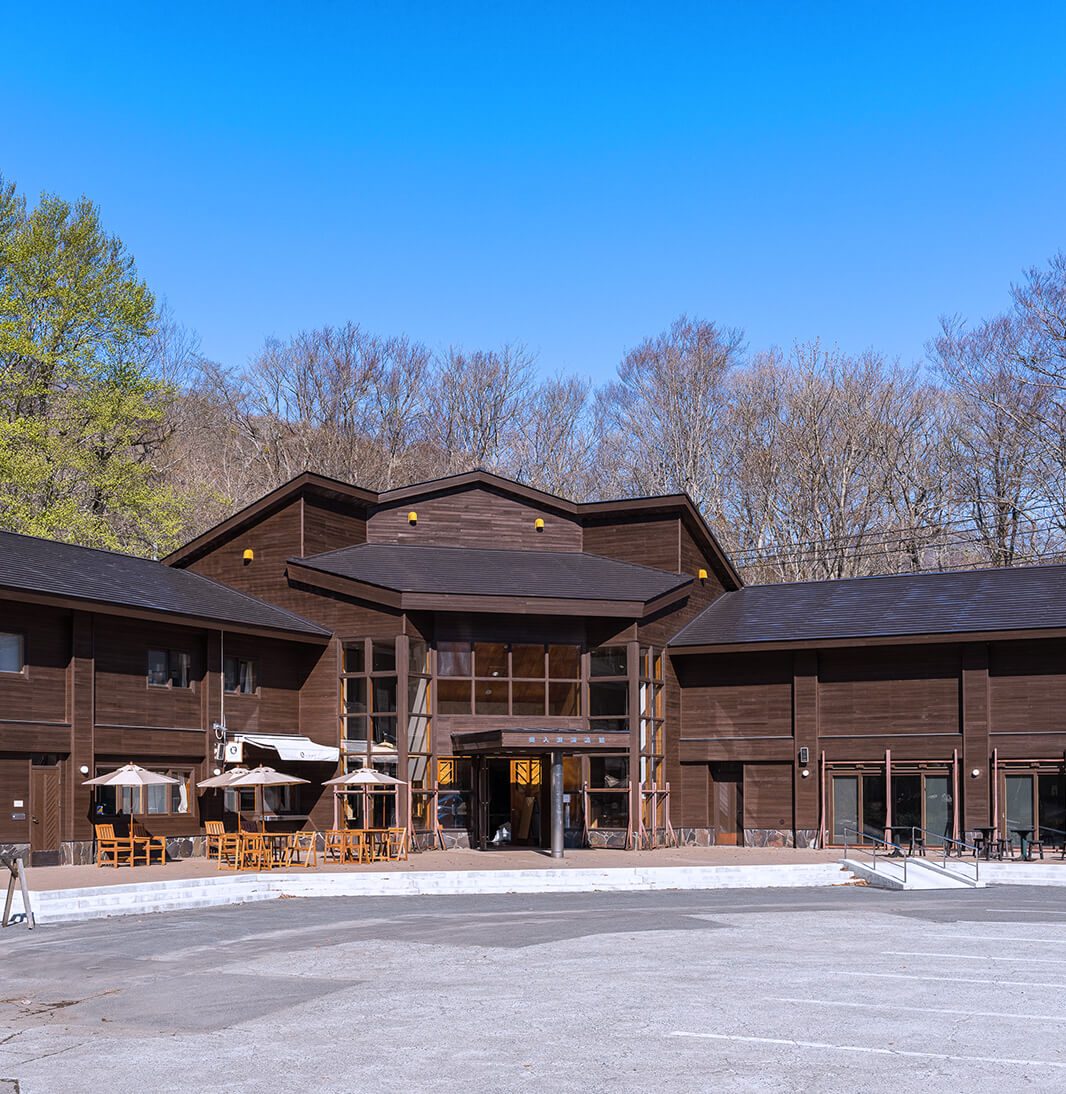
Main hub for trail information and rental bikes.
Get directions
Ishigedo, Okuse, Towada-shi, Aomori
Central point accessible by local buses for hikers.
Get directionsThe Oirase Gorge remained largely inaccessible to travelers until the late nineteenth century, when Japan's Meiji government began surveying Aomori Prefecture's interior forests for timber and agricultural potential. In 1889, surveyors documented the fourteen-kilometer stream corridor connecting Lake Towada to the Oirase River, noting its dense beech and Japanese cedar canopy and the sequence of waterfalls that had carved the valley over millennia. The gorge held no settlements and no shrines; it was wilderness held in place by topography and climate. In 1928, regional authorities constructed the first foot trail along the western bank, allowing seasonal access for foresters and a handful of botanists studying the temperate rainforest ecosystem. The transformation into a recognized cultural landscape began in 1936, when the gorge was incorporated into Towada-Hachimantai National Park, Japan's fourth designated national park. Photographer Okada Koyo published a portfolio of Oirase images in 1938, capturing the interplay of moss, water, and filtered light that would define the gorge's visual identity. His work reached Tokyo galleries and introduced the stream as a subject of contemplative landscape photography. After 1945, the trail was widened and extended, and by 1952 a gravel road paralleled the stream, enabling vehicle access and the construction of rest stations. The 1960s brought increased domestic tourism, and the gorge became a standard itinerary anchor for autumn foliage tours in northern Honshu. In 1983, the prefectural government restricted vehicle traffic during peak autumn weeks to protect the trail surface and riparian vegetation. The gorge was designated a Special Place of Scenic Beauty in 1991, elevating its legal protection and restricting commercial development within the corridor. Today, the oirase gorge tour operates as a maintained pedestrian trail with interpretive signage, seasonal bus service, and a visitor center at Yakeyama. The path follows the original 1928 alignment, preserving the sequence of named waterfalls and forest clearings that shaped its reputation as a monument of natural aesthetics.
Meiji surveyors document the fourteen-kilometer stream corridor and its waterfall sequence for the first time.
Regional authorities construct the first foot trail along the western bank, opening seasonal access.
Oirase Gorge is incorporated into Towada-Hachimantai National Park, Japan's fourth designated park.
Photographer Okada Koyo publishes a portfolio that defines the gorge's visual identity in Tokyo galleries.
A gravel road is completed parallel to the stream, enabling vehicle access and rest station construction.
Prefectural government restricts vehicle traffic during peak autumn weeks to protect trail and vegetation.
The gorge receives Special Place of Scenic Beauty designation, elevating legal protection and restricting development.
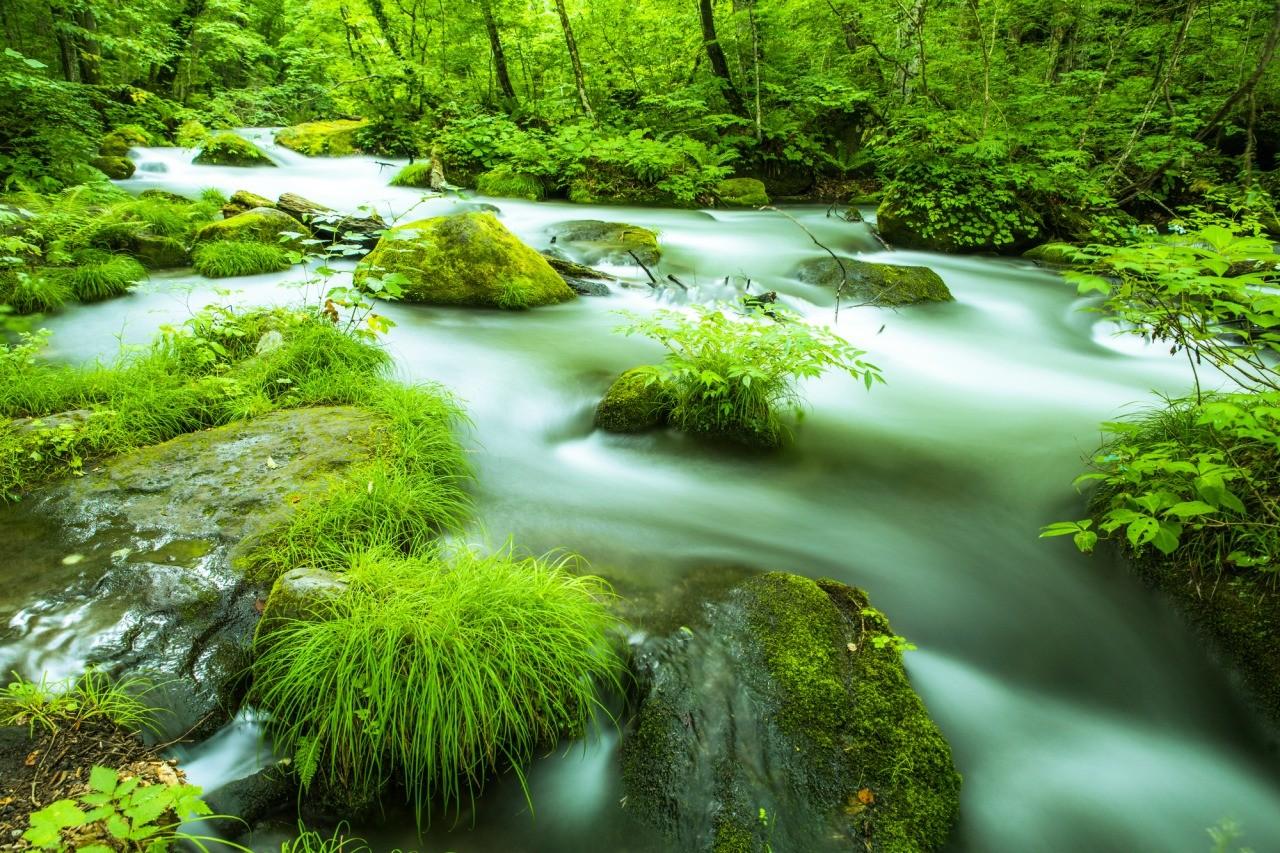
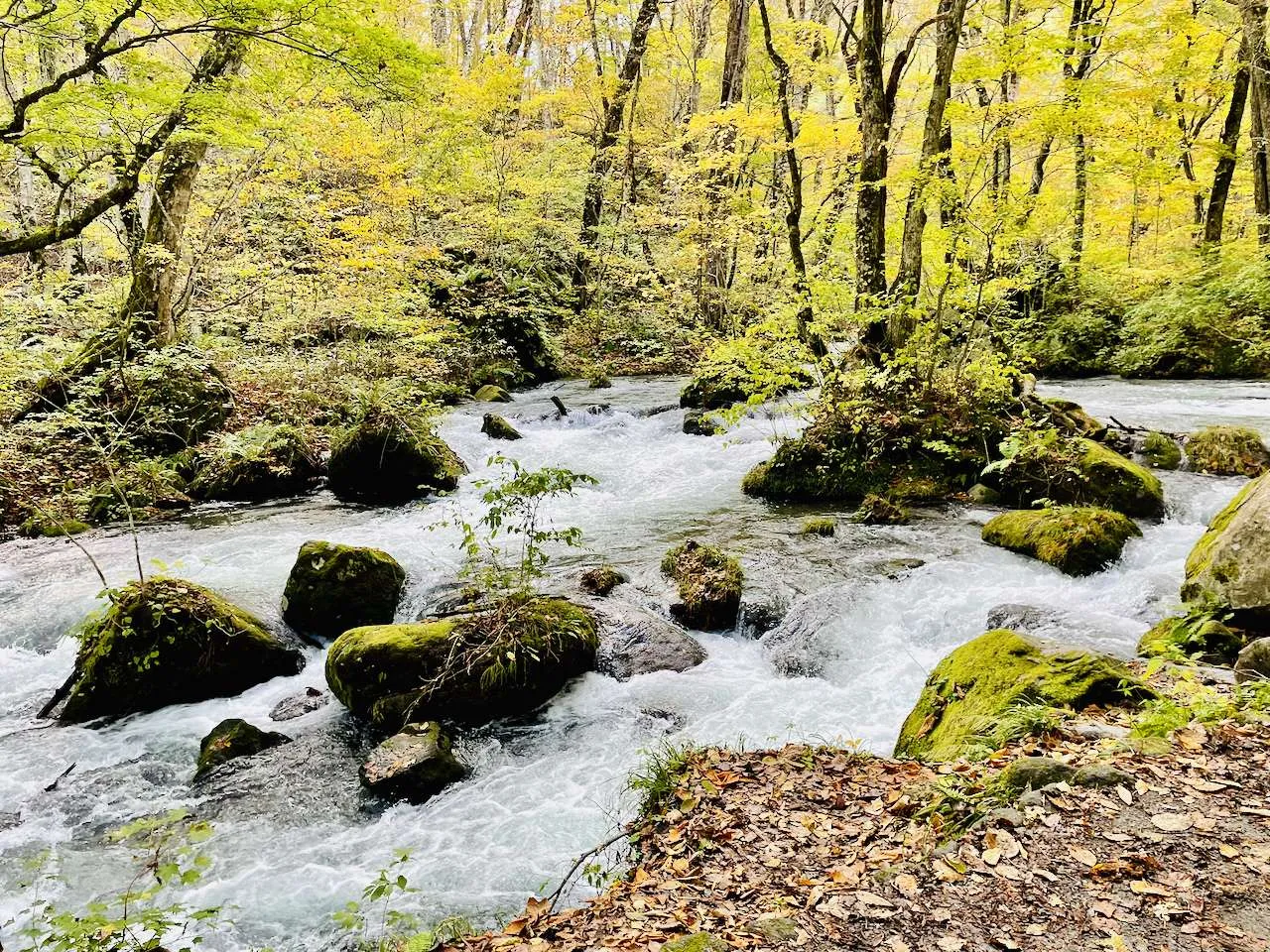
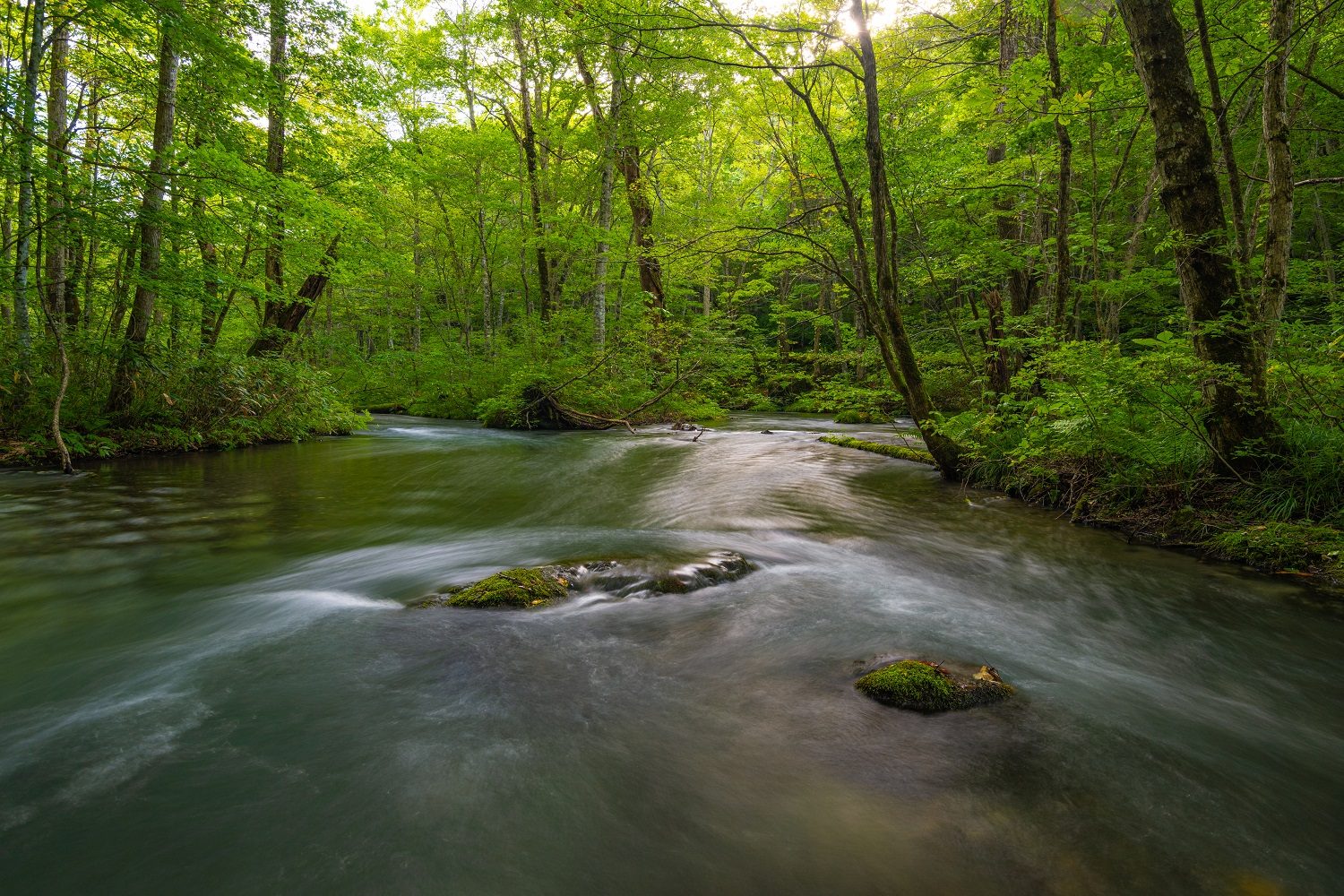
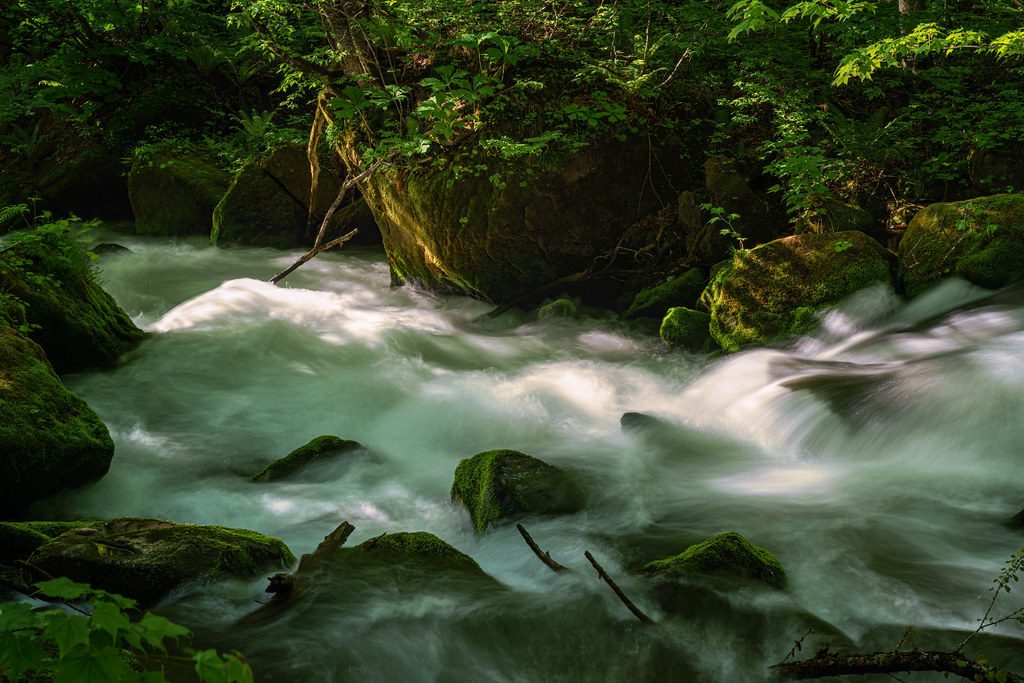
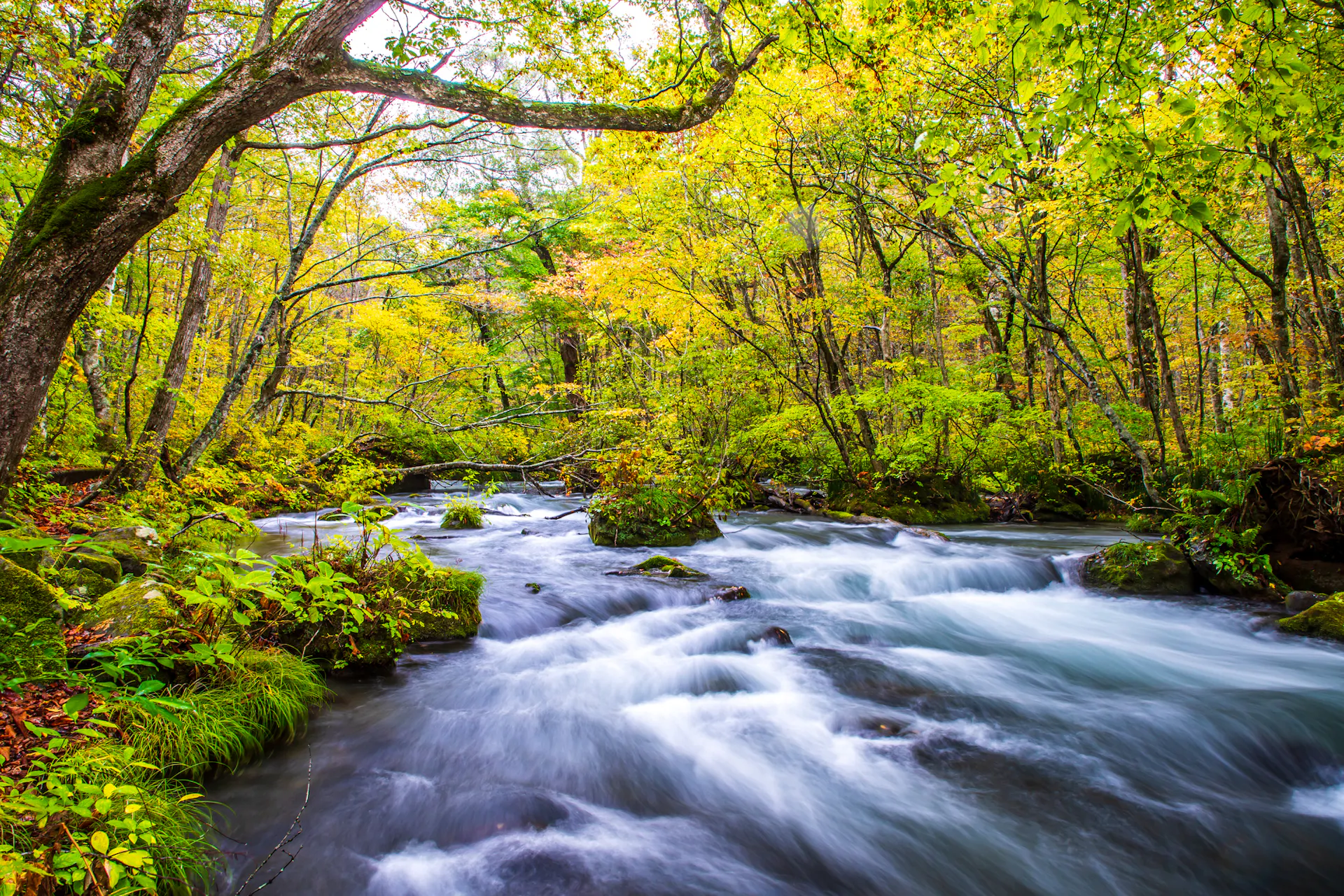
Capture the dramatic rush of the Oirase Stream as it cascades over iconic mossy boulders in this classic oirase gorge tour highlight.
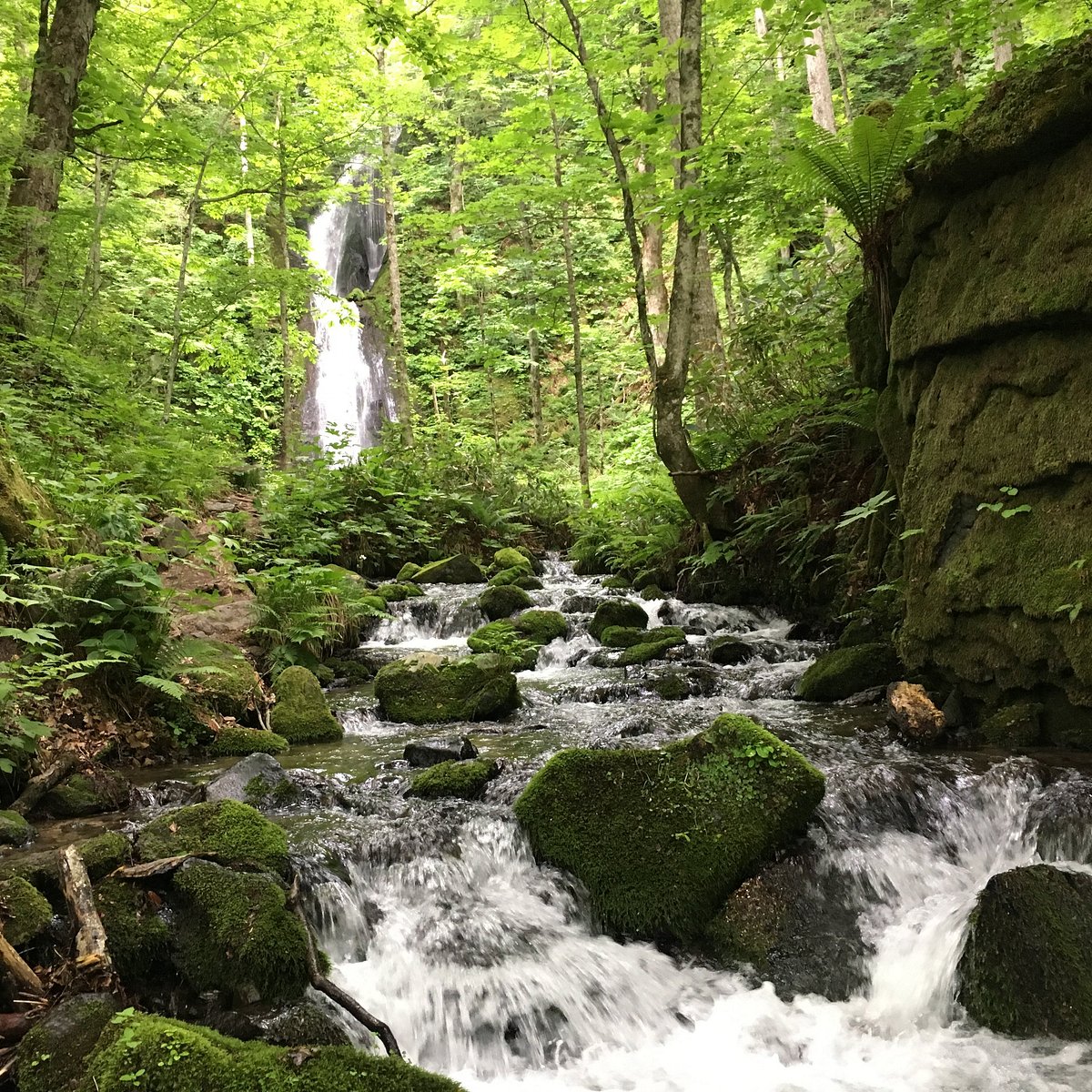
Photograph this towering 20-meter waterfall, famous for the cloud-like foam formed at its base, from the accessible trail viewpoint.
Frame the most powerful waterfall in the gorge, the only one on the main stream, which is essential for any Aomori landmark tour.
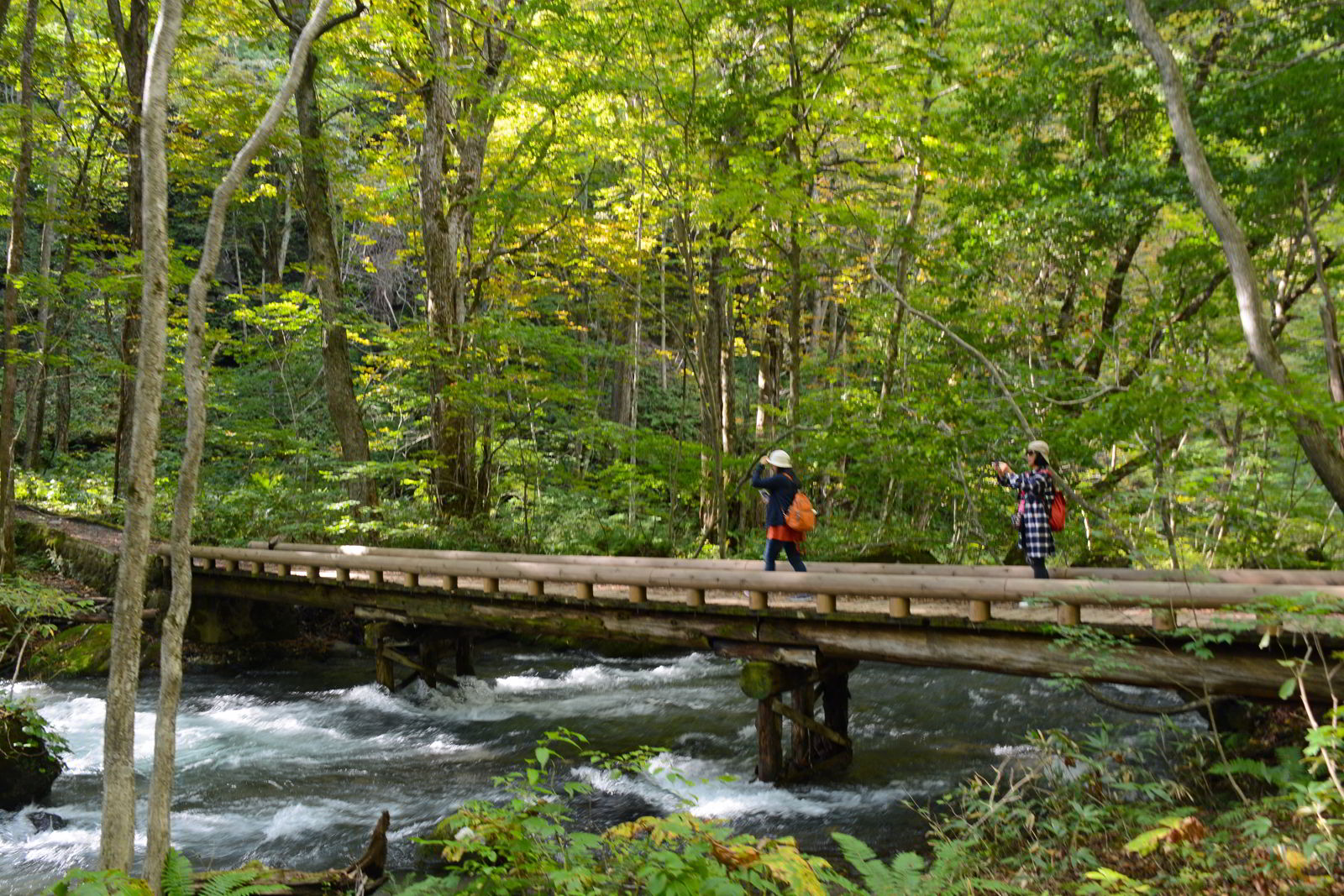
Take a shot of this picturesque bridge that offers a perfect vantage point for capturing the surrounding forest canopy and stream views.
Dining options are concentrated at the Yakeyama entrance and the Lake Towada side, making it essential to plan your meals before starting your oirase gorge tour. Since the forest trail itself lacks cafes, many visitors choose to enjoy local Aomori specialties near these trailheads.
Located near the lake, this venue serves local specialties like grilled trout and regional noodles. It provides a convenient stop for those finishing their oirase gorge tour tours.;Yakeyama Shokudo
Real experiences from real travelers
The Oirase Gorge tour exceeded every expectation. Walking the 14-kilometer trail beside the crystal-clear stream felt like stepping into another world. The moss-covered rocks and small waterfalls create an atmosphere you won't find anywhere else in Japan. I visited in summer and the cool forest air was a welcome relief.
Spent a full morning on the trail and it was worth every minute. The boardwalks make it accessible for most fitness levels. Choshi Otaki waterfall at the end is the perfect reward. Bring a good camera because every turn offers another composition.
Booked an oirase gorge tour through my hotel and the guide knew every angle. The interplay of light through the canopy around midday creates these beautiful dappled patterns on the water. Kumoi no Taki was my favorite spot for long-exposure shots.
The natural scenery along the stream is exceptional. Visited during Golden Week which was a mistake in hindsight. The trail gets quite packed near the main waterfalls. Early morning or weekdays would be better.
The sound of rushing water accompanies you for the entire walk. I loved how well-maintained the paths are without feeling overdeveloped. The forest feels ancient and untouched. Pack snacks because there aren't many facilities once you start.
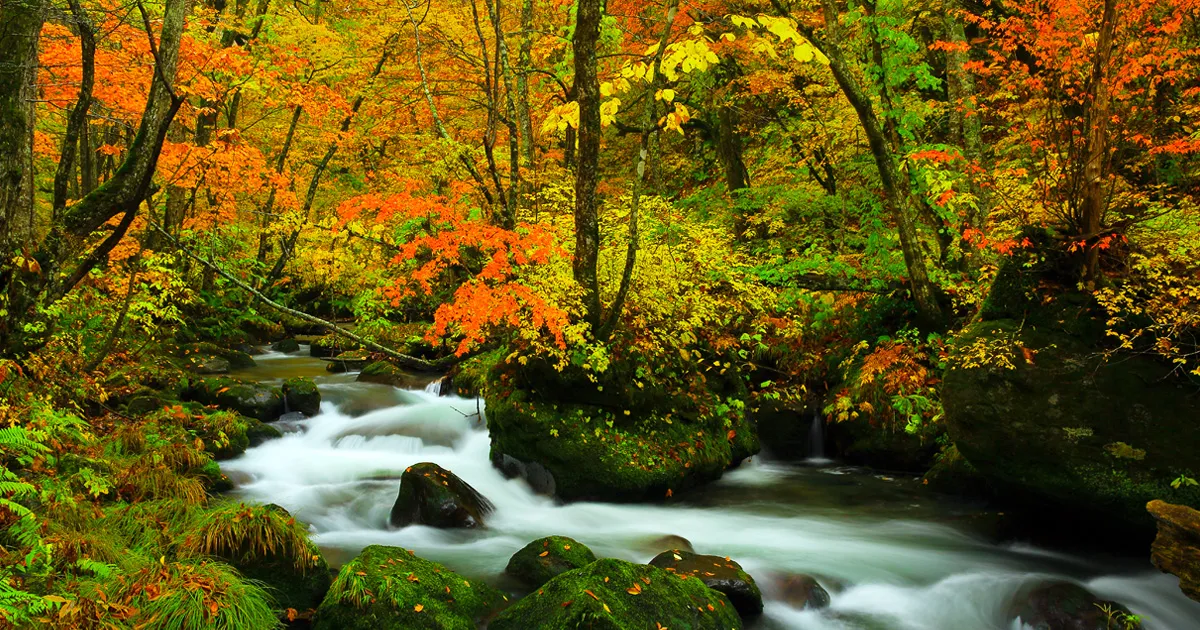
Returned for the third year specifically for koyo season. The maple trees along Oirase Stream turn the gorge into a painting. October is peak but early November still offers incredible colors. The contrast between red leaves and green moss is striking.
Took oirase gorge tour tickets for a March trip and found partially frozen waterfalls and snow-dusted rocks. Far fewer visitors in late winter. The ice formations around the smaller cascades were otherworldly. Wear proper boots because the boardwalks can be slippery.
The negative ions from all the flowing water are supposed to be therapeutic and I believe it. Spent four hours just walking slowly and stopping to listen. The air quality and temperature inside the gorge are noticeably different from outside.
Drove from Aomori city which takes about two hours. The trailhead at Yakeyama has good parking. The 9-kilometer section from Ishigedo to Nenokuchi is the most scenic. Finished at Lake Towada for lunch.
Joined a guided oirase gorge tours group and learned so much about the ecosystem. The variety of mosses and ferns is remarkable. Our guide pointed out native birds I would have missed. The entire Towada-Hachimantai area deserves more time than most tourists give it.
Everything you need to know for your journey
The gorge is open 24 hours a day, 00:00–23:59, allowing for flexibility in your schedule.
There is a 0 JPY entrance fee for the Oirase Gorge, making it free to enjoy nature.
The best arrival window for an oirase gorge tour is 06:00–09:00 to avoid crowds and experience superior lighting.
Yes, during peak autumn foliage, there are vehicle restrictions; plan your oirase gorge tour accordingly using local bus shuttles.
Yes, JR buses connect Aomori and Hachinohe stations to multiple points along the Oirase Gorge trail.
Yes, various local operators offer guided oirase gorge tour tours that provide historical and botanical context.
Pack sturdy, non-slip shoes, rain gear, and a small daypack to hold water and snacks for your oirase gorge tour.
Limited options exist, so bring your own provisions for your oirase gorge tour to stay comfortable.
Yes, the gorge is beautiful in winter, though you must be prepared for freezing temperatures and ice along the trail.
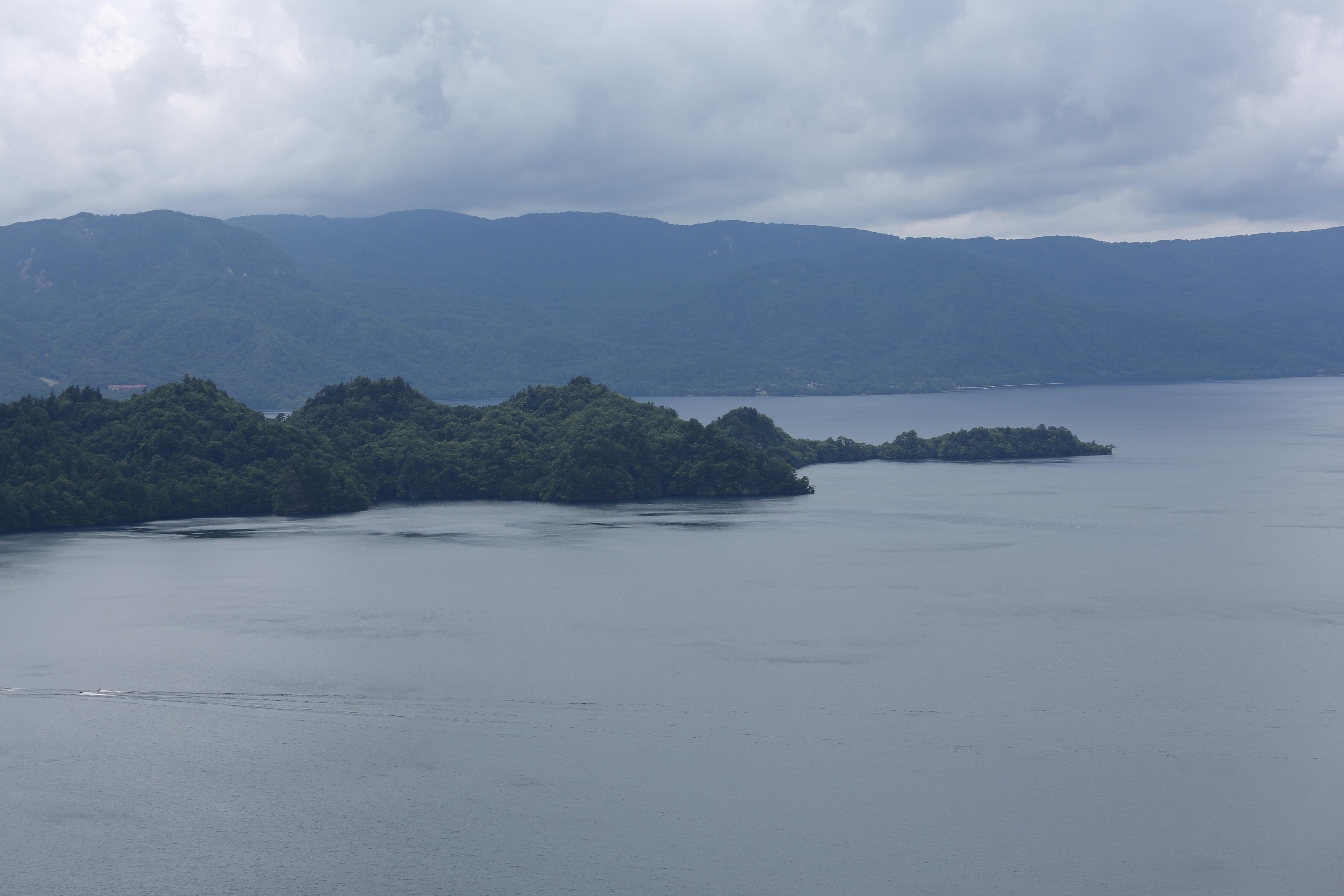
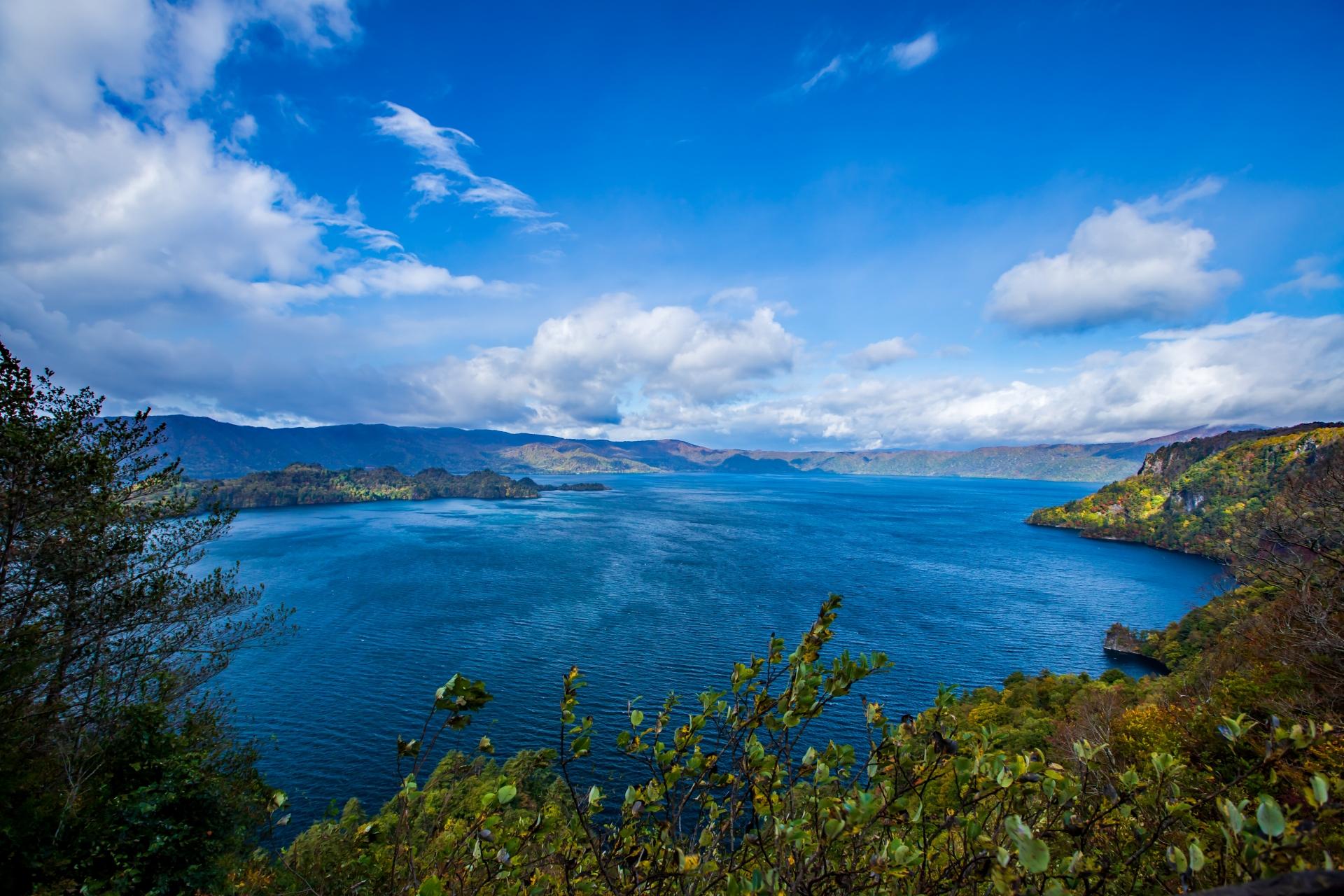
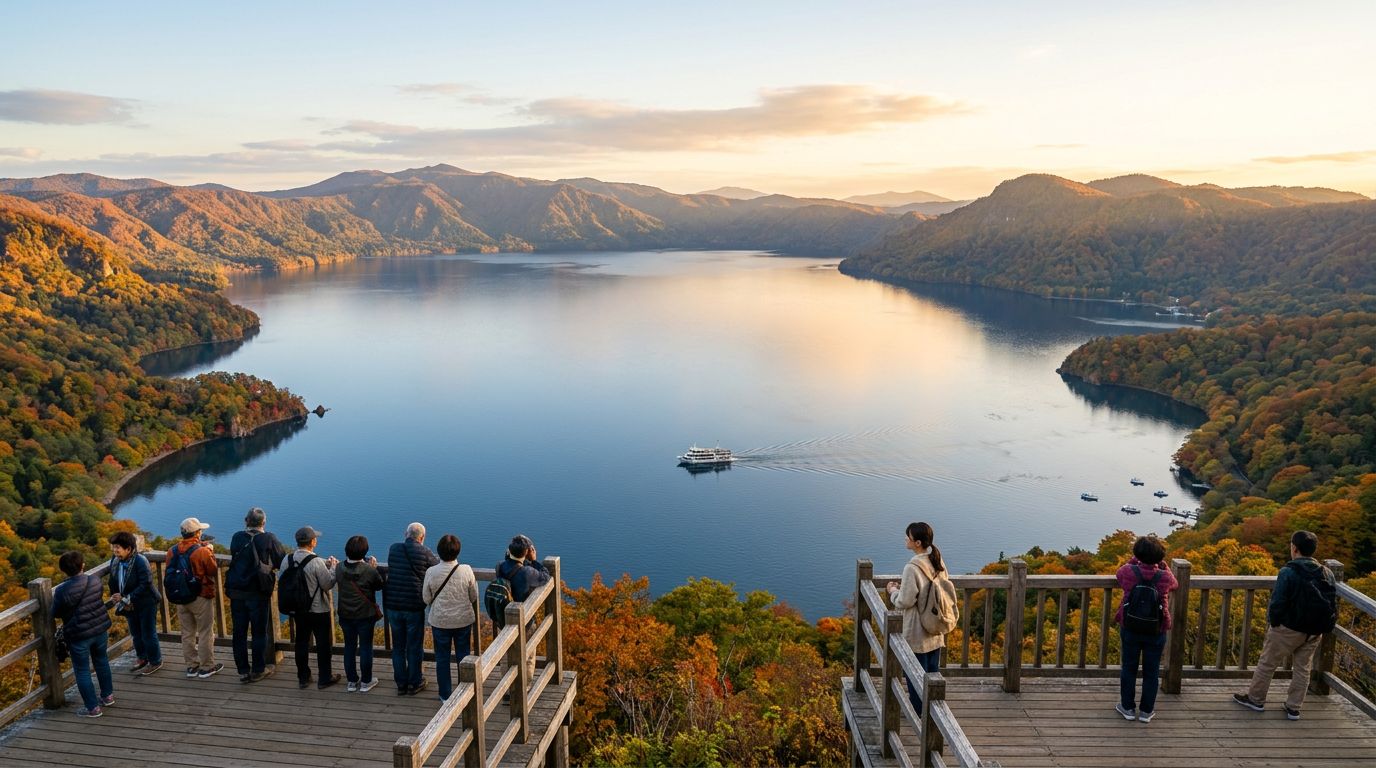
A massive caldera lake offering serene boat cruises and mountain scenery.
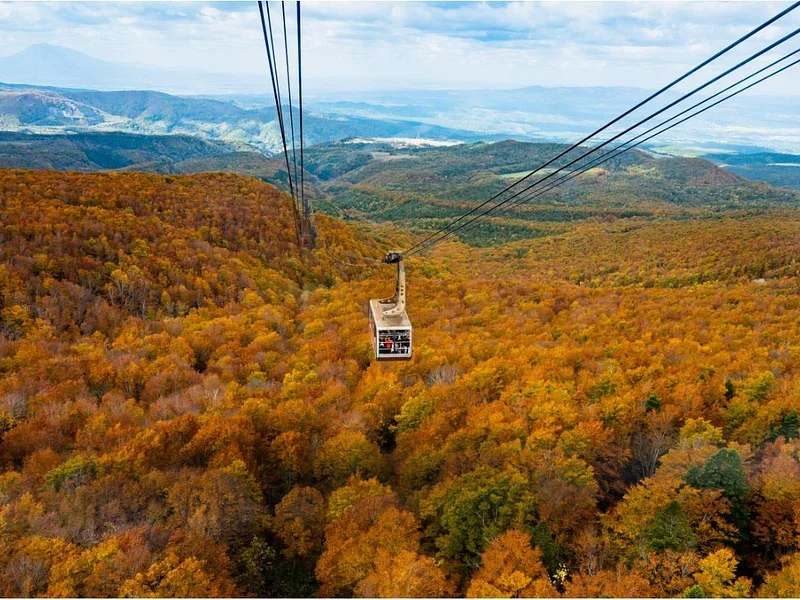
Rugged peaks with a famous ropeway for expansive views across the prefecture.
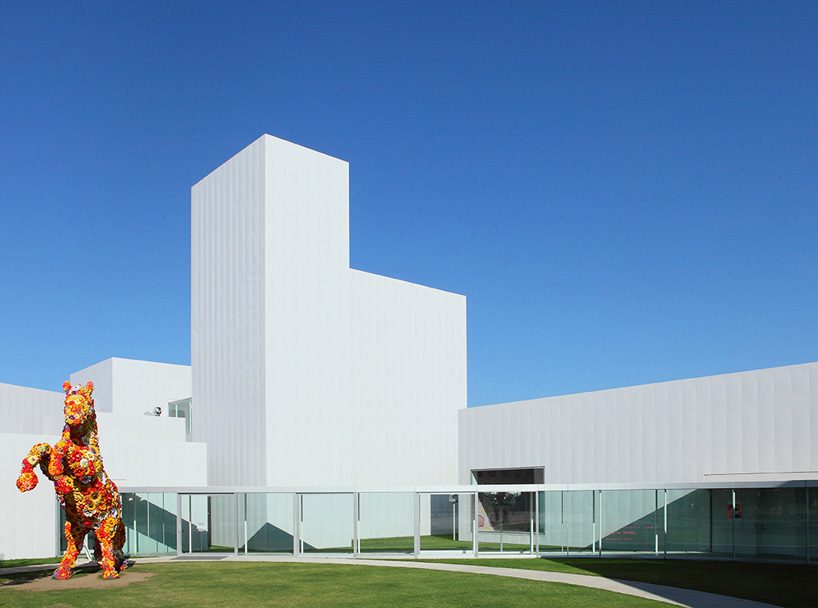
A contemporary art museum featuring large-scale installations in the city center.
A serene wooded area known for its pristine ponds and peaceful trails.
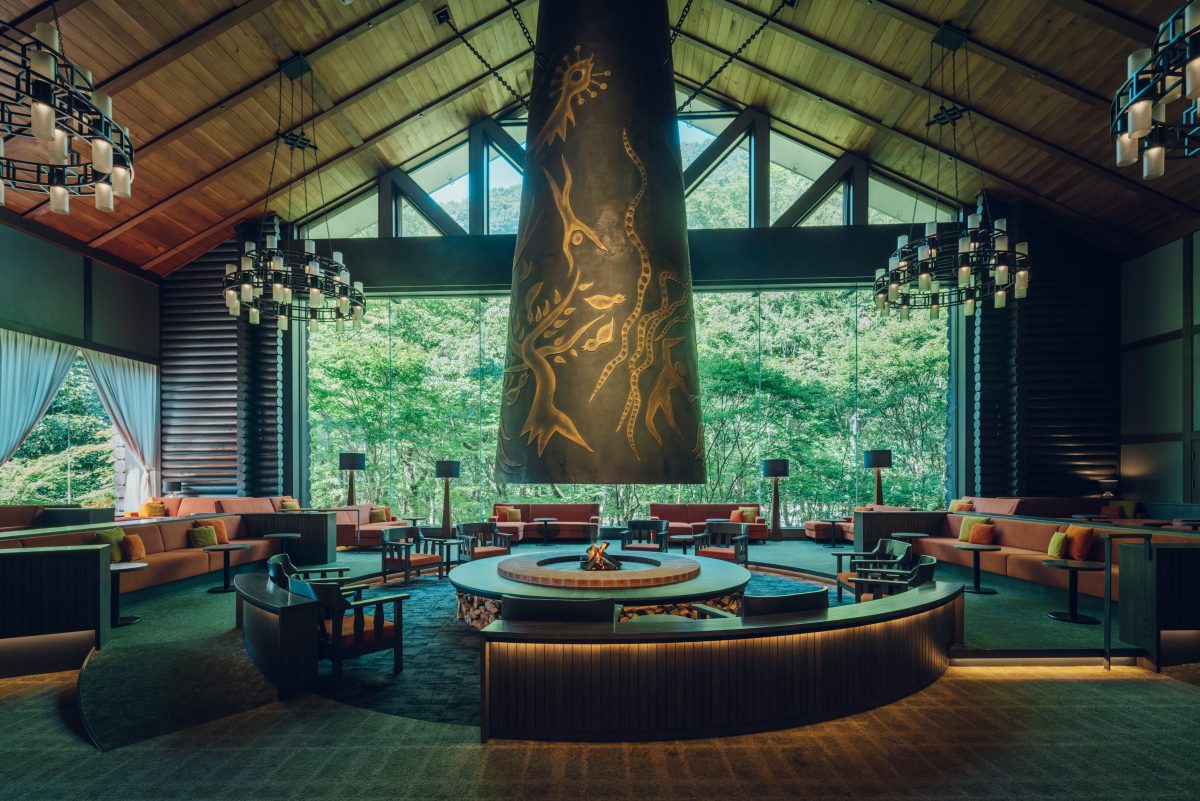
The only hotel located directly within the lush gorge landscape.
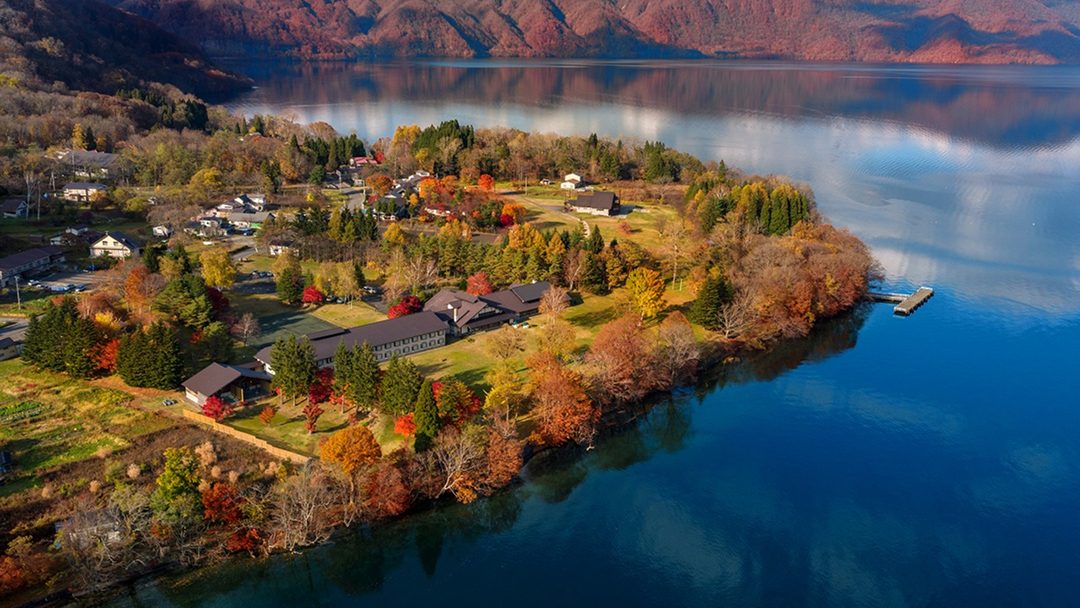
A collection of traditional inns near the start of the trail.
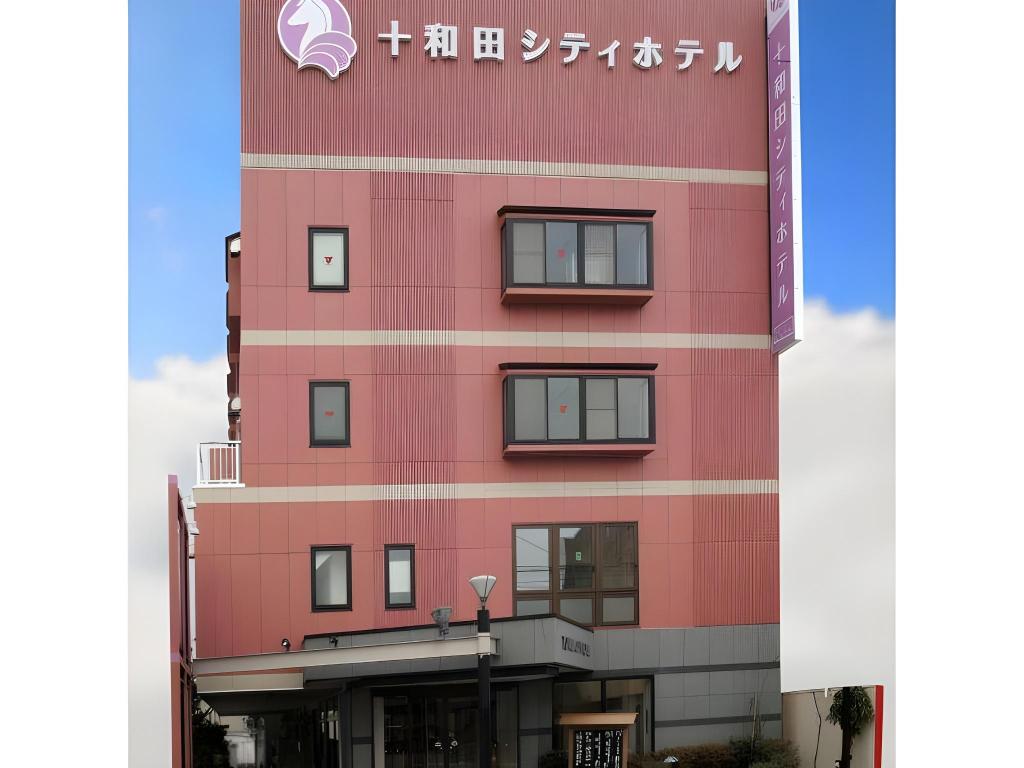
Convenient urban base with easy access to regional transport.
Join thousands of happy travelers who have discovered this incredible experience
Book Your Experience Now