9 hr
Aomori Highlights: Oirase Gorge, Towada Lake & Hakkoda Ropeway Day Tour
- Expert local guide
- Small group
- Skip-the-line access
- Free cancellation
Oirase Gorge Winter Tours — Icefall Trails & Guided Snow Treks
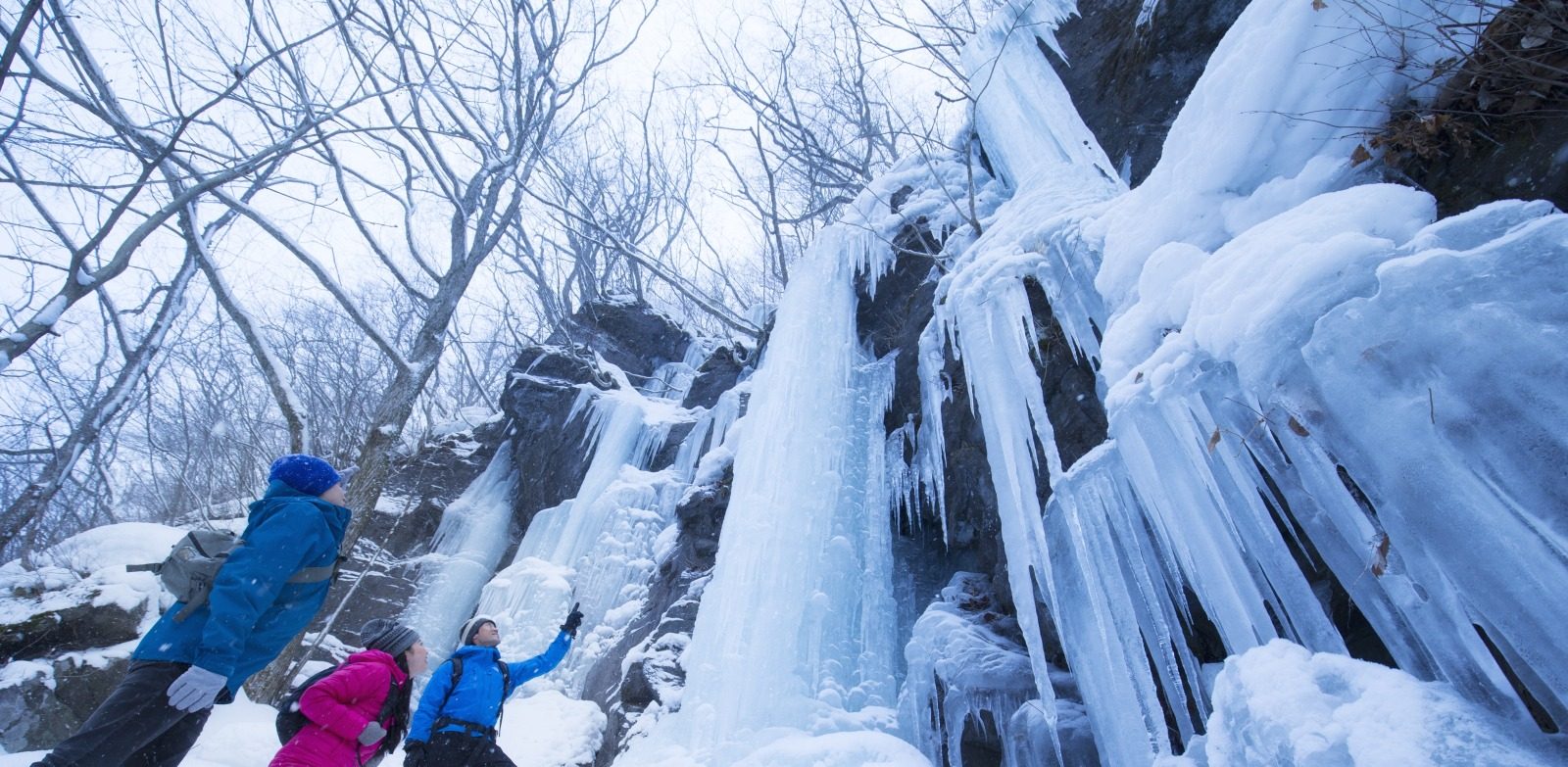
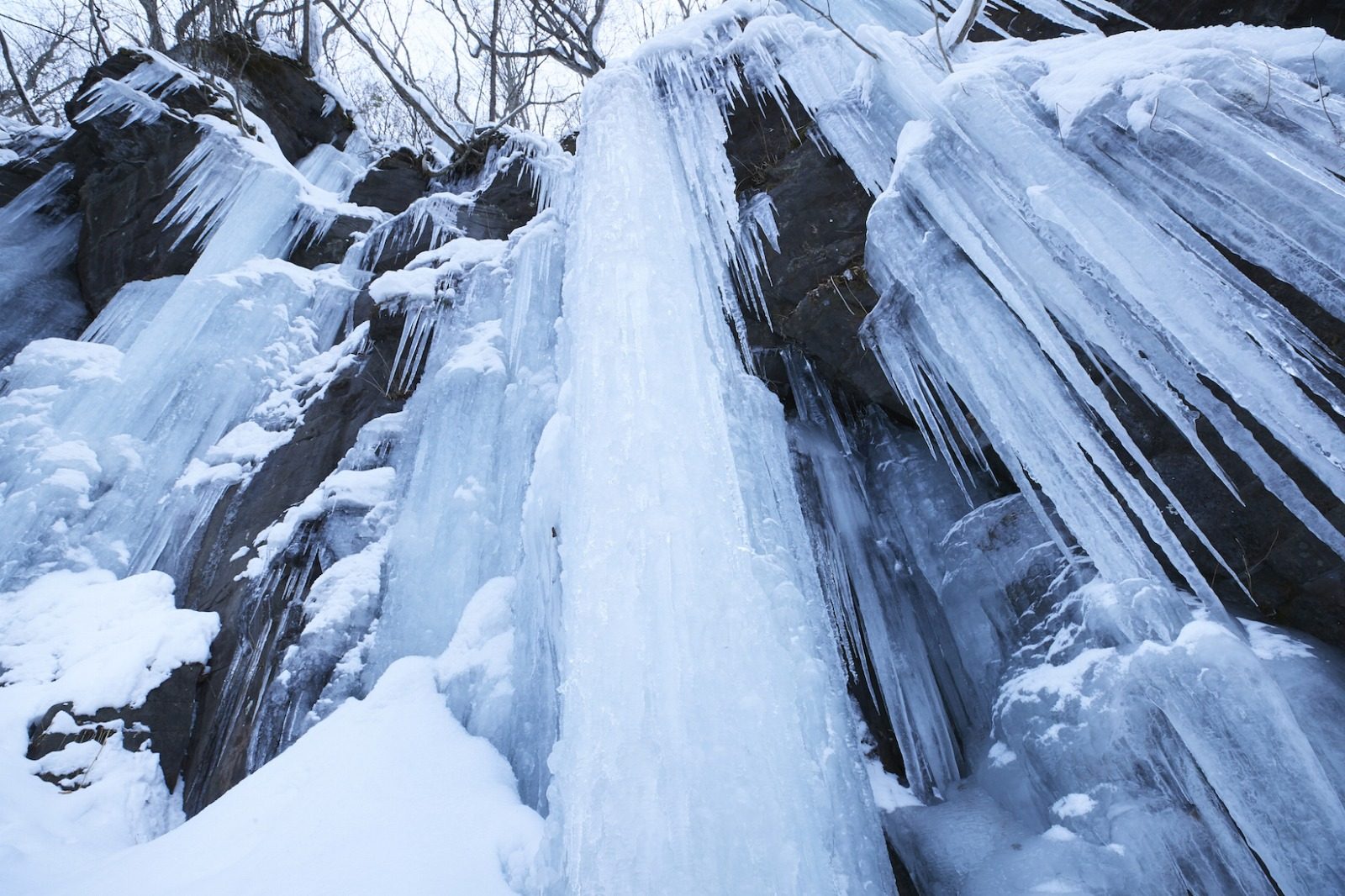
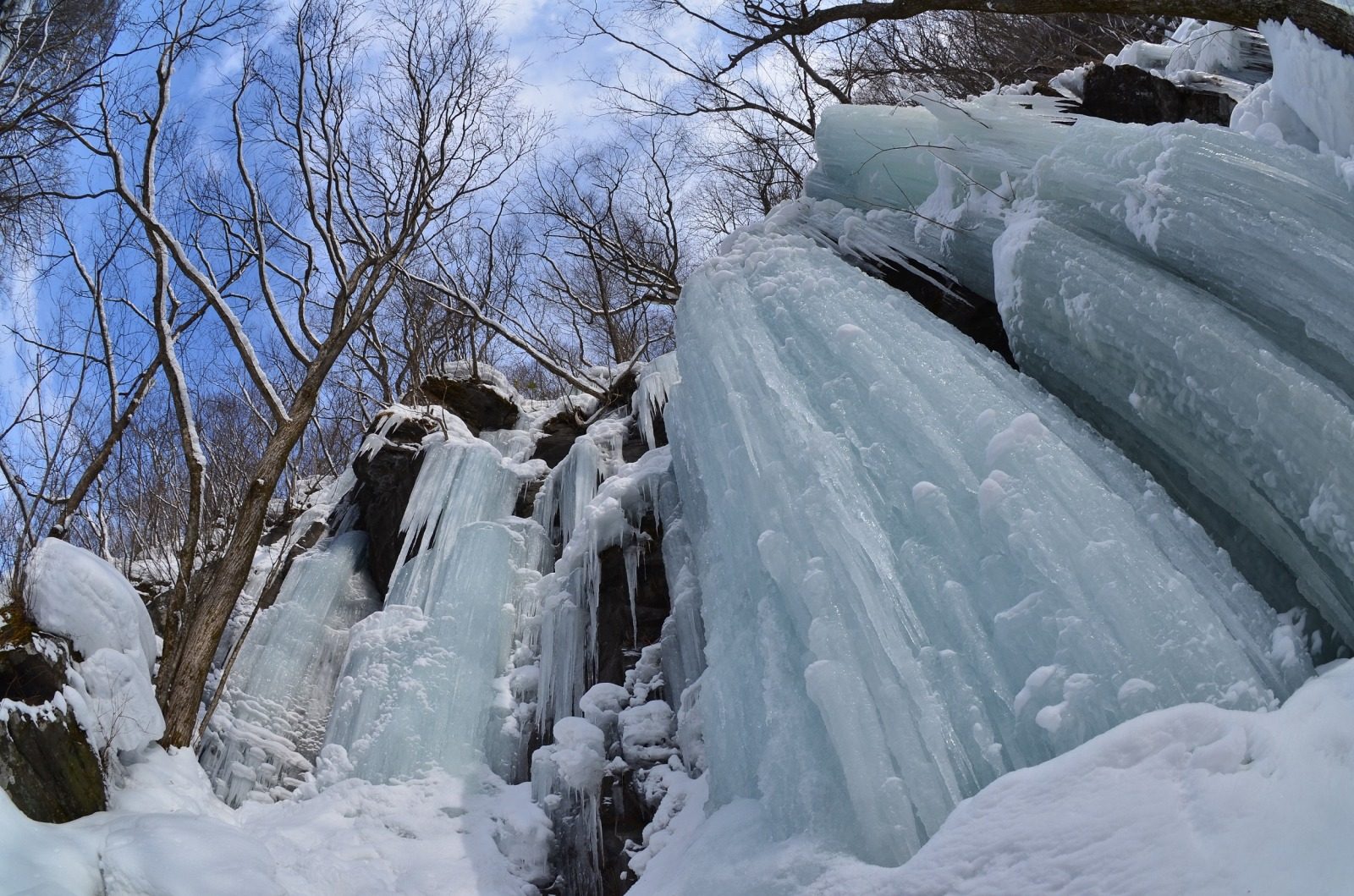
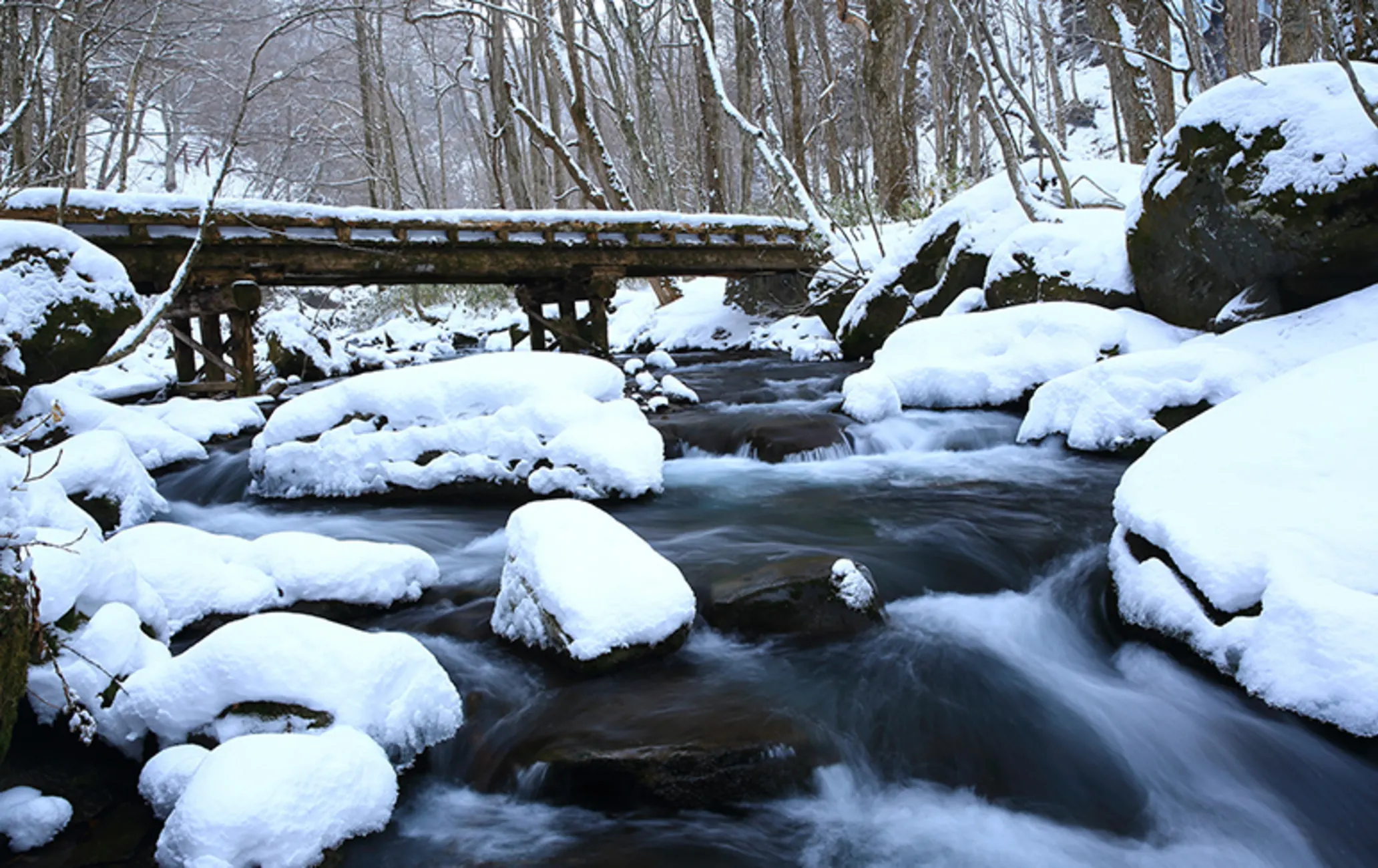
Frozen cascades lining fourteen kilometers of stream, snow-draped moss boulders under beech canopy
Compare fares, pick the fit — all bookings are mobile-voucher and eligible for free cancellation where shown.
9 hr
5 hr
4 hr 30 min
Choosing an oirase gorge tour winter experience allows visitors to explore the snowy landscape and frozen waterfalls of this Aomori landmark safely with an expert guide. These curated oirase gorge tour winter tours provide structured access to ice formations that are otherwise difficult to reach independently during the colder months.
| Day Course Shichinohe/Towada Departure |
Top pick Night Course Illuminated Icefalls |
|
|---|---|---|
| Tour Focus | Daytime nature exploration | Nighttime icefall illumination |
| Nature Guide | Included | Included |
| Icefall Viewing | Daytime natural light | Five illuminated spots |
| Accessibility | Standard coach | Specialized lighting vehicle |
| Operating Period | Dec 20 – Mar 1 | Dec 20 – Mar 1 |
| Best for | First-timers and hikers | Photography and night enthusiasts |
| See tickets & prices |
Verdict: For the most vivid experience, first-timers should select the night oirase gorge tour winter ticket to witness the unique, multi-colored icefall illuminations.
Worth it for winter landscape enthusiasts
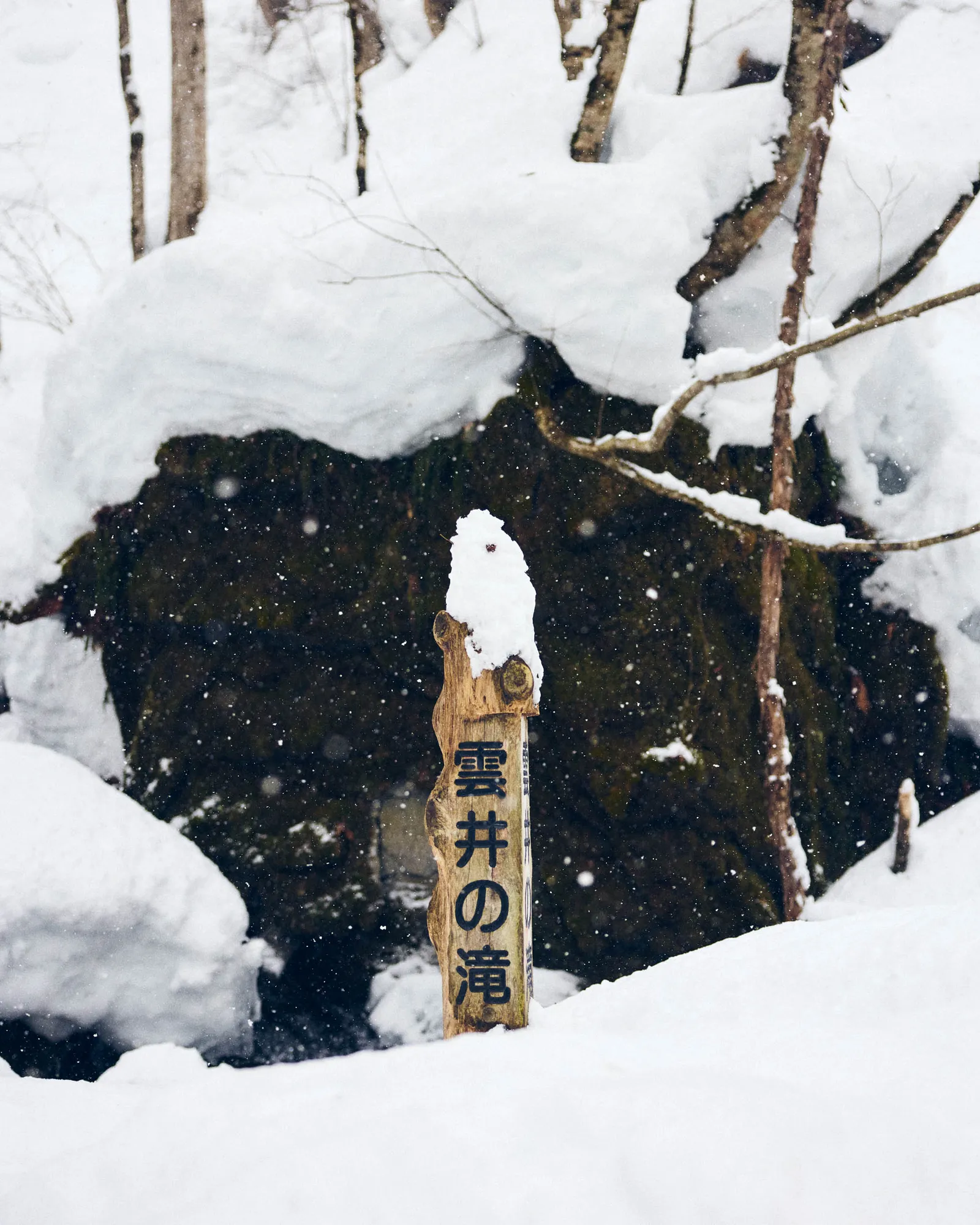
An oirase gorge tour winter experience centers on frozen waterfalls, ice-draped cliffs, and snow-laden forest trails that vanish once temperatures rise. The gorge itself charges no entrance fee, but guided day tours—including transport from Aomori city, stops at Towada Lake, and the Hakkoda Ropeway for snowscapes—typically run ¥12,000–¥18,000. Private tours offer flexible pacing and photography time. The payoff is clear for anyone chasing seasonal phenomena: you'll walk past icefall formations like Kumoi no Taki and Cloud Splash Fall, both inaccessible or unimpressive in other seasons. Daylight between 09:00 and 15:00 reveals the best ice detail. Skip it if you prefer accessible, year-round trails—winter footing requires proper boots, and sections close during heavy snow. For visitors targeting Aomori's winter-only spectacles, oirase gorge tour winter tours deliver exactly what the season promises.
Bottom line: If winter icefalls and snow-draped gorges are your target, the seasonal spectacle justifies the trek and tour cost.
They complement each other; most visitors who do both call the Oirase gorge tour winter the more immersive nature experience, while the festival offers a more social, cultural vibe.
|
Top pick Oirase Gorge Tour |
Lake Towada Festival | |
|---|---|---|
| Primary Activity | Icefall trekking and photography | |
| Guided access | Nature guide required | |
| Physical Intensity | Moderate (snow trekking) | |
| Duration | 3–4 hours | |
| Typical Price | From 3,300 JPY | |
| Best Season | December–March | |
| See tickets & prices |
Verdict: Choose the gorge tour if you prefer active, guided nature exploration, or the festival if you want to experience regional celebrations and evening illuminations.
Hand-picked experiences loved by thousands of travelers
5 hours
Free Cancellation
Discover northern Japan's cultural treasures and coastal scenery with your own knowledgeable local expert
7 - 7.5 hours
Free Cancellation
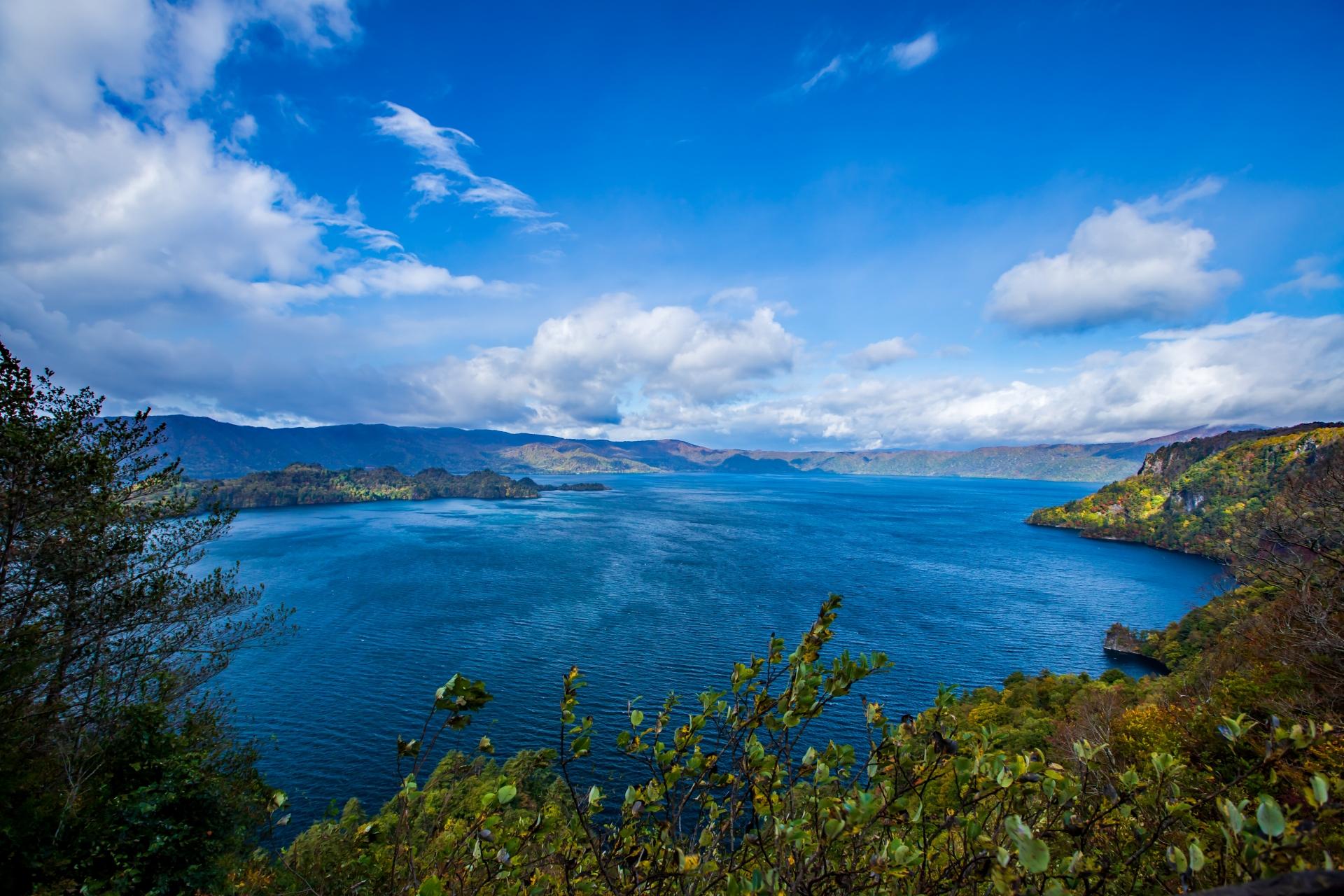
Experience Aomori's stunning waterfalls and serene caldera lake on this intimate nature excursion
6 hours
Free Cancellation
Explore Japan's apple capital with a personal guide who tailors your 6-hour adventure to your interests
8 hours
Free Cancellation
Discover Aomori's natural wonders and cultural treasures on a fully customizable private driving tour
1.5 hours
Free Cancellation
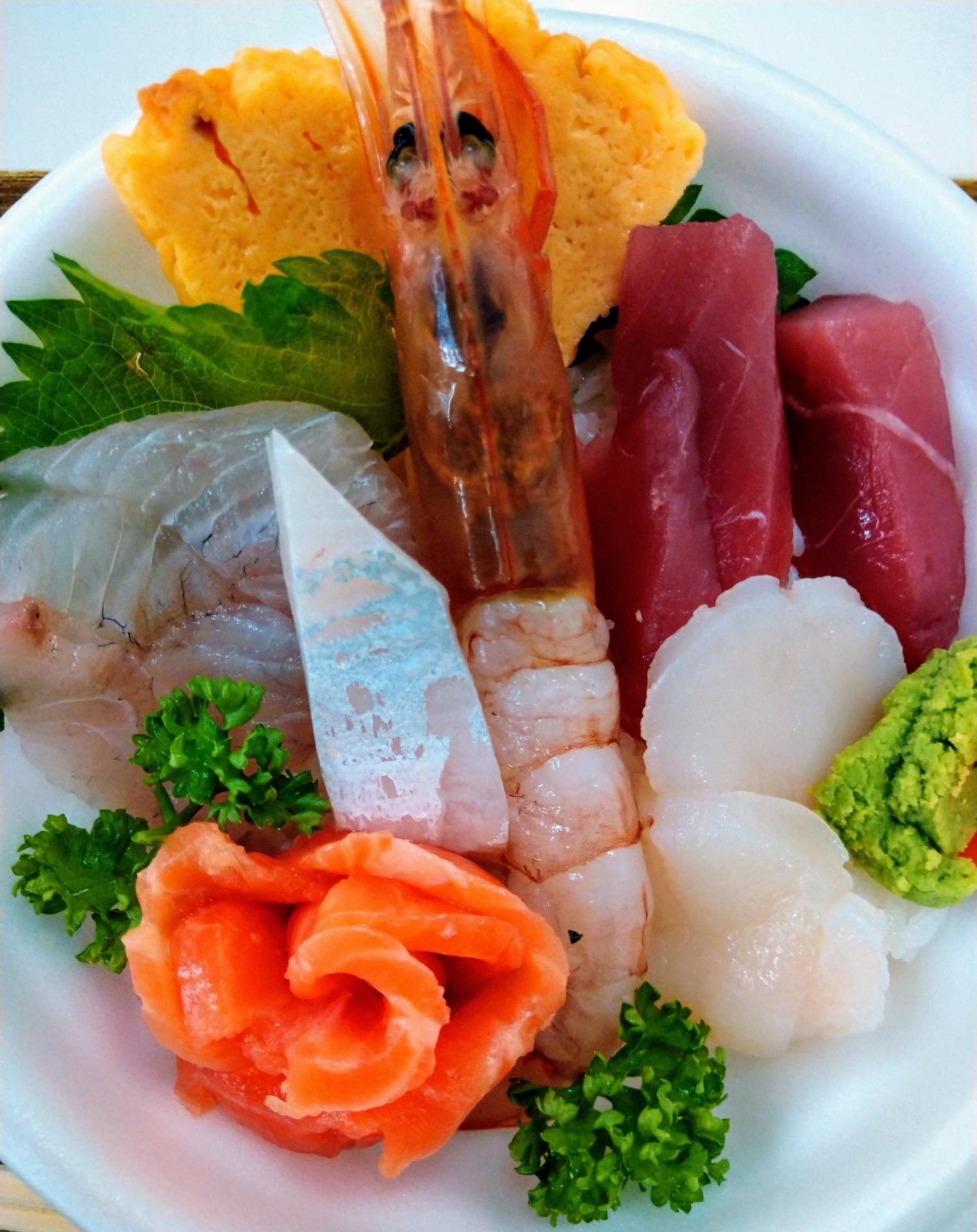
Explore a bustling Japanese market and craft your personalized Nokke-don rice bowl with fresh local seafood
7 hours
Free Cancellation
Cruise port excursion showcasing Aomori's stunning gorge trails, mountain caldera lake, and iconic sculpture
3 hours
Free Cancellation
Explore authentic Aomori with a local guide: fresh seafood markets, daytime bar culture, and relaxing onsens
10 hours
Free Cancellation
Discover samurai heritage, temple architecture, castle grounds, and mountain stream beauty on this exclusive full-day excursion
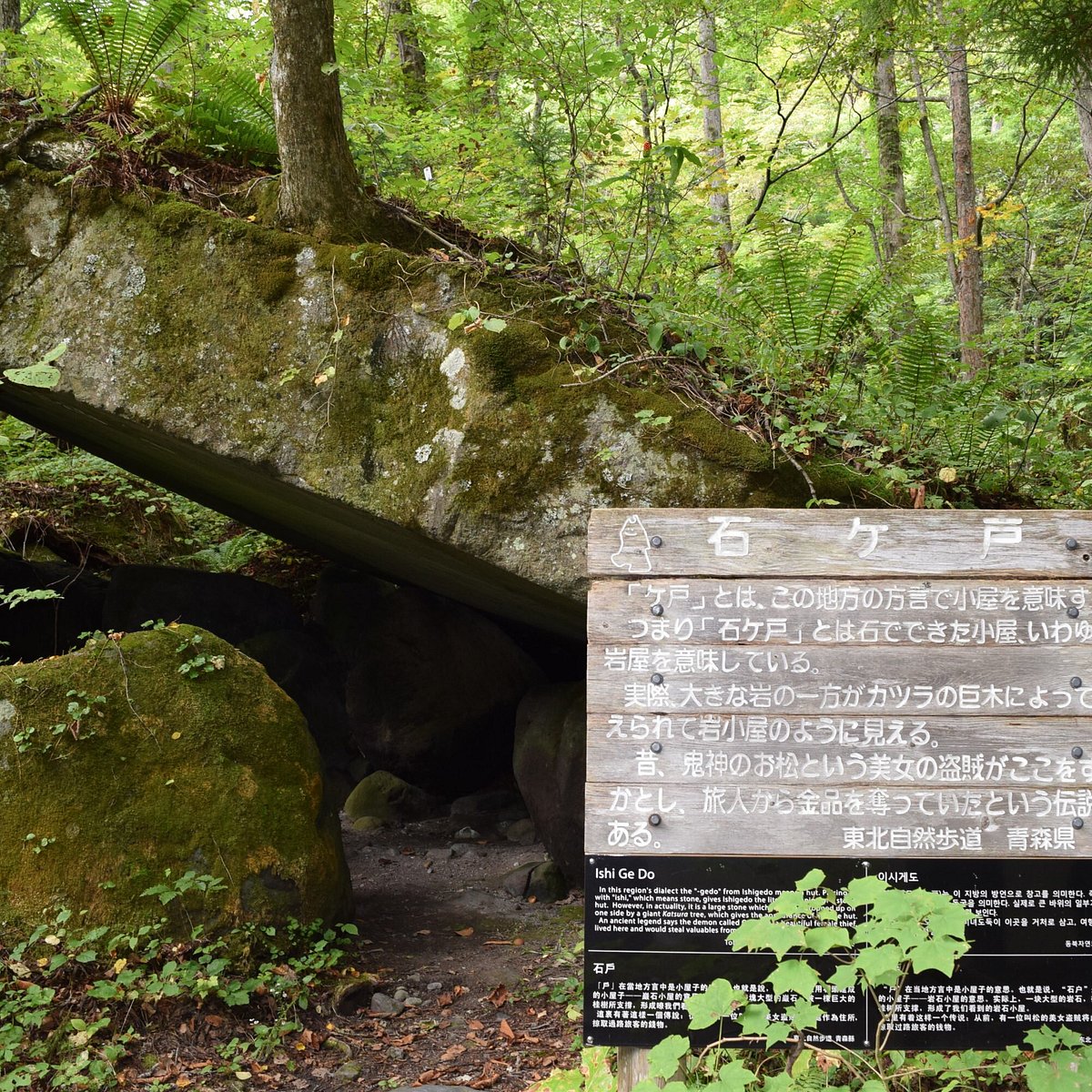
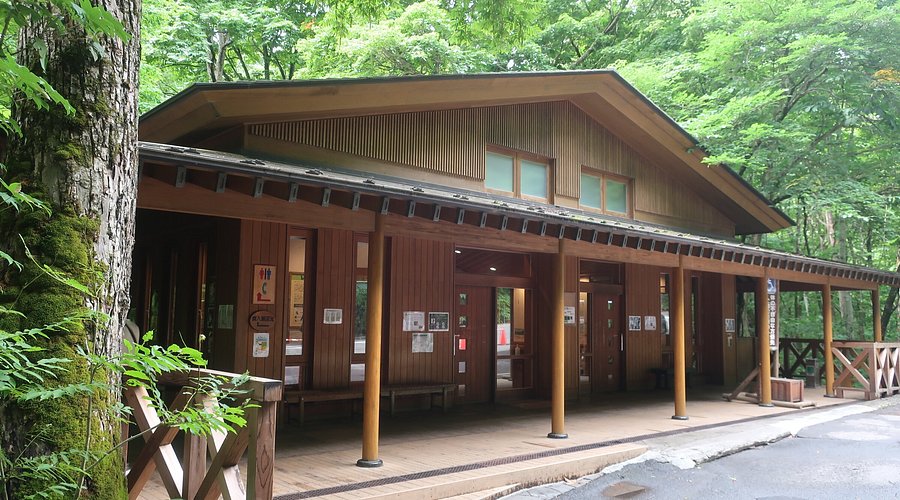
Begin at the Ishigedo Rest Area
View frozen formations along the stream
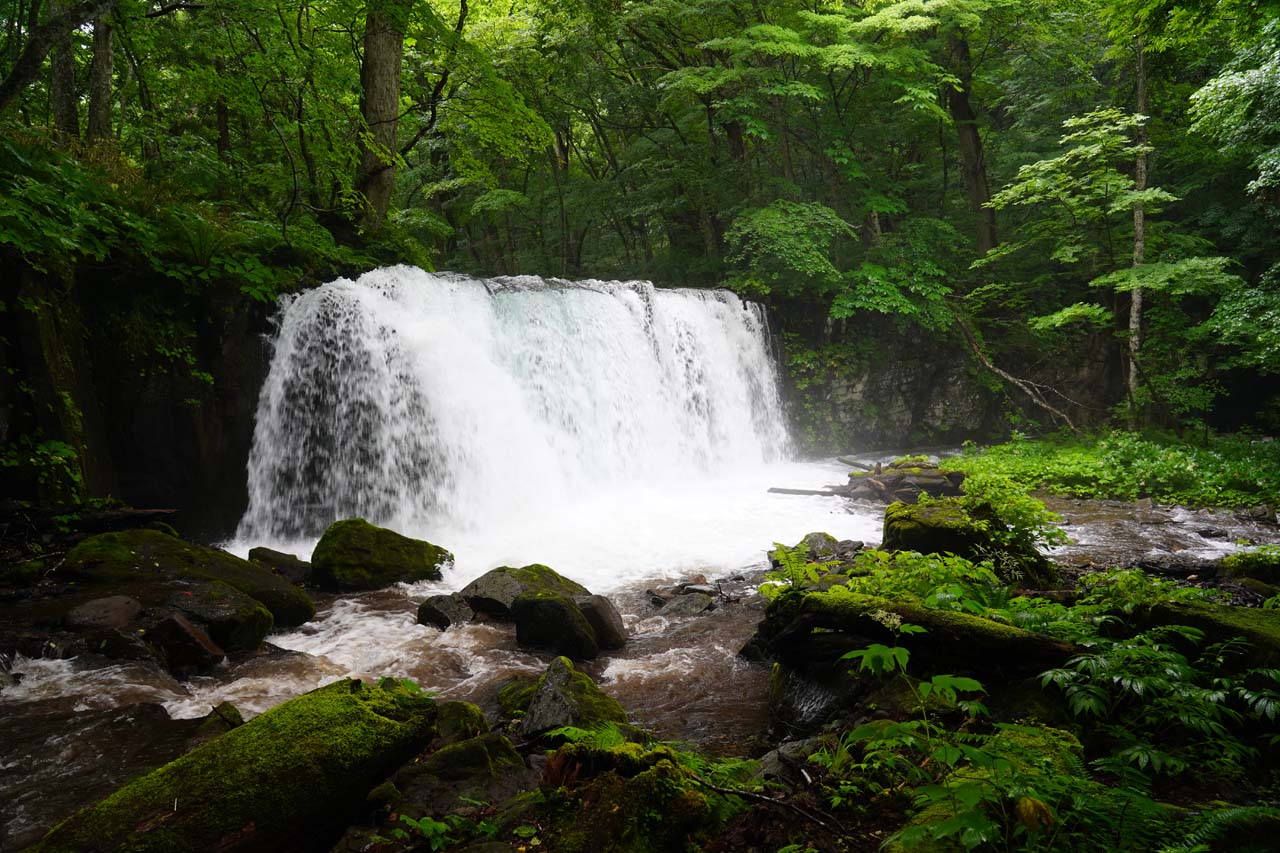
Reach the Choshi Otaki waterfall
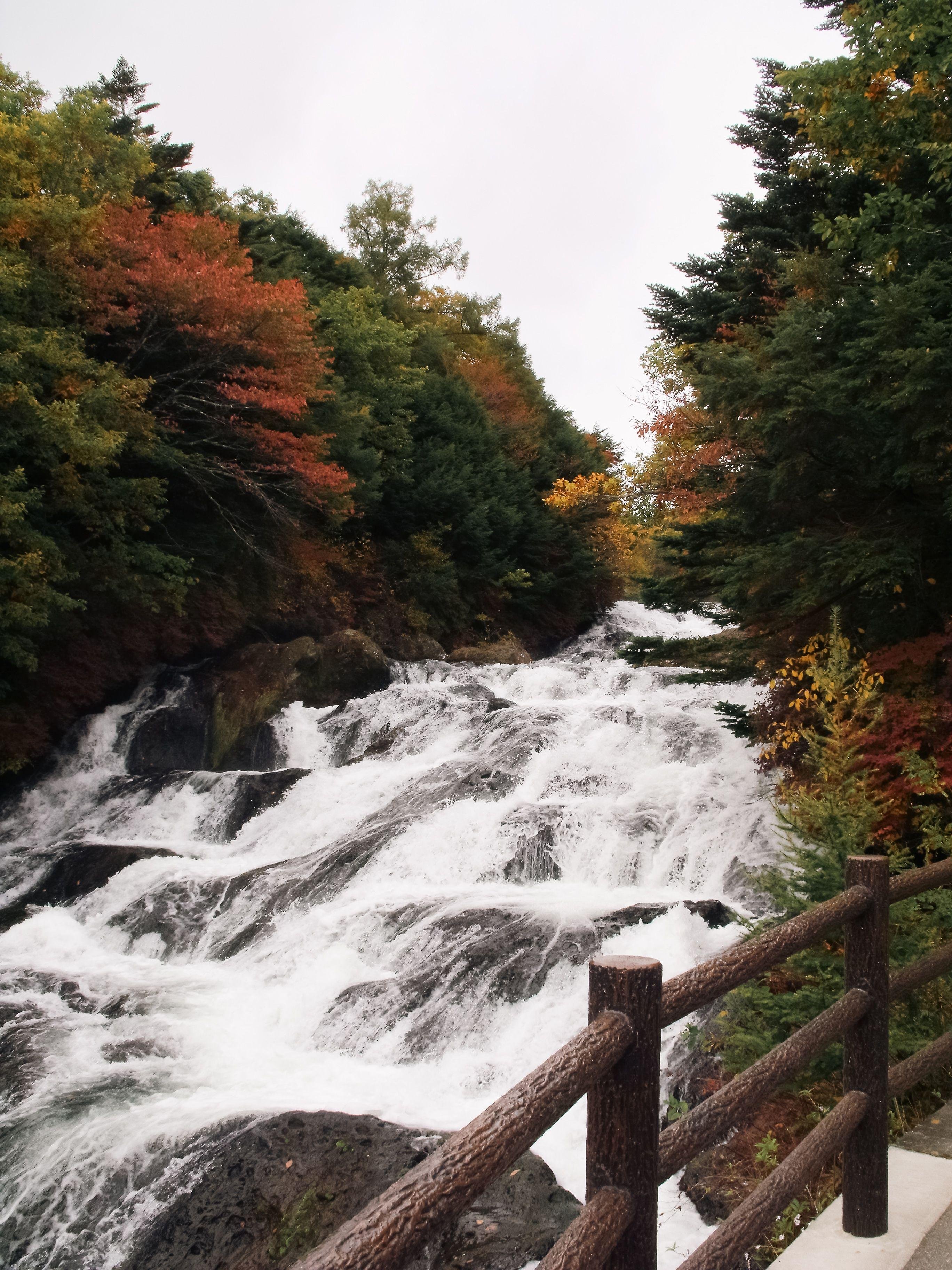
This iconic waterfall stands 7 meters tall and 20 meters wide, serving as the highlight of the trail. It is often referred to as the largest and most impressive cascade in the gorge.
This fall features two distinct drops totaling 20 meters in height. It is a popular stop for those on a guided oirase gorge tour winter due to its accessibility.
A famous viewpoint where the water churns dramatically over rocky outcrops. The contrast of white snow and blue water makes it a preferred subject for photographers.
Located near the central part of the stream, this spot offers a moment of respite. It marks a common starting point for various sections of the trekking path.
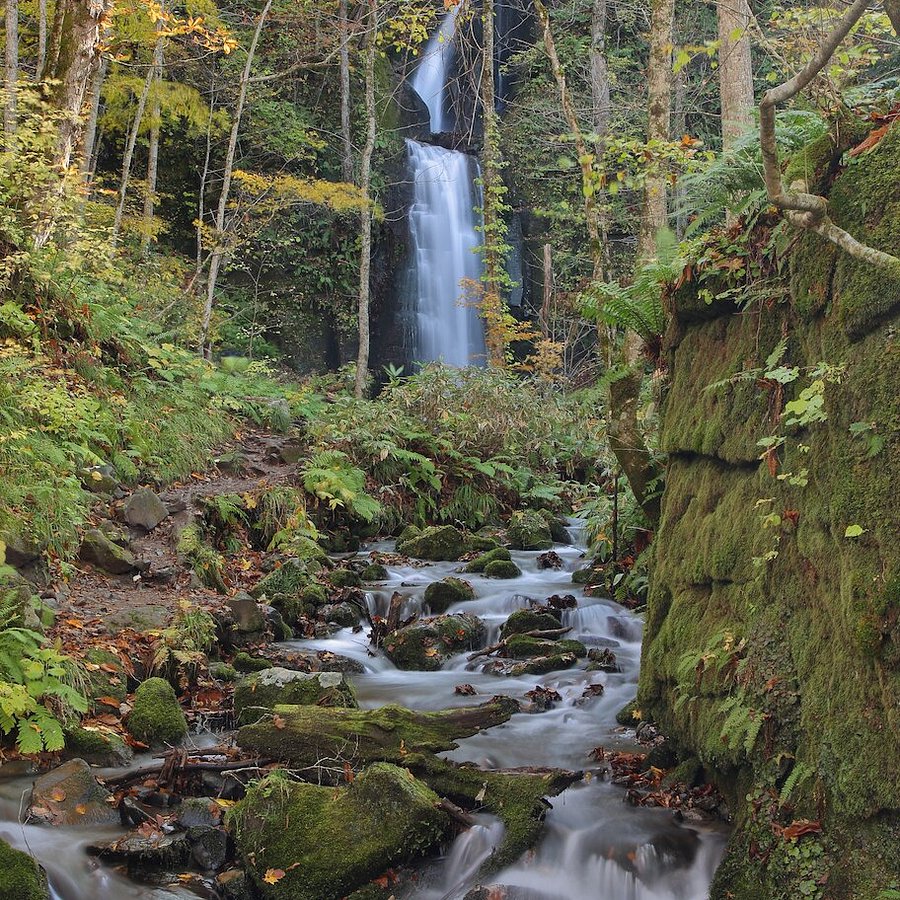
This elegant cascade is known for its delicate, thread-like appearance which freezes into intricate patterns in winter. It is often less crowded than the larger falls.
You meet your guide at the Ishigedo trailhead before nine, when frost still coats the boardwalk and your breath hangs visible in the still air.
The trail descends alongside the stream, and within ten minutes you reach the first major cascade—Choshi-otaki—its base ringed by cones of blue ice built up from weeks of freezing spray. Your guide hands you a pair of microspikes and explains the route: three kilometers upstream to Kumoi Falls, with stops at five icefalls along the way.
The path hugs the streambank, passing under snow-laden branches that form a continuous tunnel of white. You pause at Shirataki, a ten-meter veil fall now frozen into vertical ribs, and your guide points out the clear center channel where water still flows beneath the ice shell. At Kumoi, the trail opens to a wide viewing platform. The twenty-five-meter drop is half-frozen, its upper tier a curtain of icicles and its lower pool ringed by pale blue pillars. You spend fifteen minutes here, watching steam rise from the unfrozen plunge pool and listening to the crack and drip of meltwater in the midday sun. The return loop passes Fudogataki and Byobuiwa, where columnar basalt walls frame a narrow chute, now locked in ice. You finish at the Nenokuchi rest house three hours after starting, snow-caked and cold-limbed, carrying a memory of a gorge that exists in this frozen state for fewer than ninety days each year.
All the details about your upcoming adventure in one place
Oirase Stream drops 440 meters over fourteen kilometers between Lake Towada's outlet and Yakeyama, carving a corridor through virgin beech forest that has remained roadless until 1928. The gorge holds twenty-six named waterfalls, the tallest—Kumoi-no-taki—falling twenty-five meters in a single drop.
In winter, when temperatures hold below freezing for weeks, the spray zones crystallize into blue-white columns and the smaller cascades freeze mid-flow, forming curtains of ribbed ice that can reach three meters thick by late January.
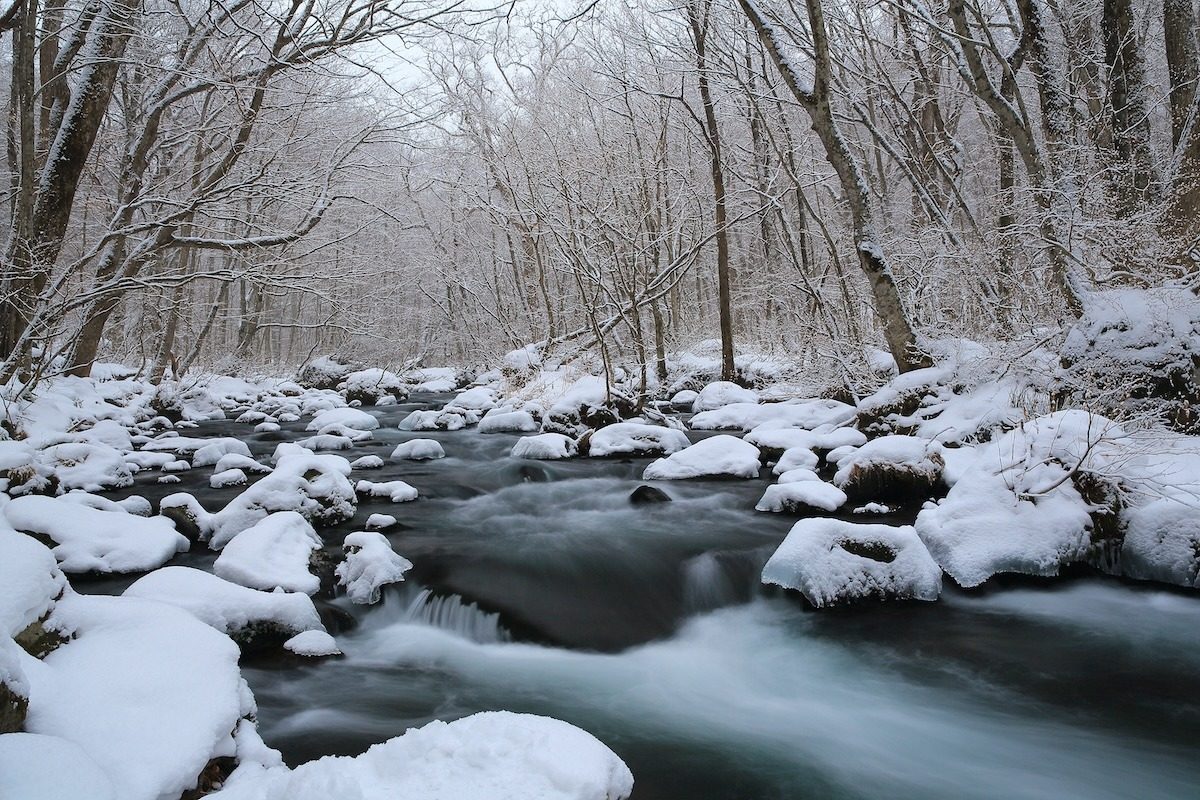
The winter oirase gorge tour winter season transforms the trail into a corridor of sculptural ice. Frozen mist coats every branch and boulder in rime, and the stream itself narrows to a dark channel between banks of compacted snow. Guided snow treks follow the riverside trail on foot, covering sections between Ishigedo and Kumoi Falls where the gorge walls narrow and ice formations are most dramatic. Local naturalist guides identify winter-dormant flora—moss forests buried under snow, exposed root systems of keyaki and Japanese beech—and explain the thermal dynamics that determine which falls freeze solid and which maintain a liquid core.
Oirase sits within Towada-Hachimantai National Park, established in 1936 to protect the caldera lake and its forested drainage. The stream's water is exceptionally clear—visibility often exceeds eight meters—because it originates from the oligotrophic depths of Towada, a crater lake formed by volcanic collapse 13,000 years ago. Winter access requires preparation: the trail remains open but is not plowed, and the wooden boardwalk sections that span wet zones in summer become skating rinks under thin ice. Guided winter excursions provide traction devices, layered route planning, and real-time assessment of icefall stability.
The gorge's reputation as a winter destination solidified in the 1980s when nature photographers began documenting the ephemeral ice sculptures and the interplay of frozen spray with low-angle winter light. Today, the oirase gorge tour winter tickets grant access to a landscape that exists in this form for only ten to twelve weeks annually, between mid-December and early March, when snowpack is sufficient and melt has not yet begun.

Frozen mist coats every branch and boulder in rime, and the stream itself narrows to a dark channel between banks of compacted snow.
Wear thermal layers, waterproof snow boots, and high-traction crampons for your oirase gorge tour winter. Winter conditions in Aomori require windproof outerwear to manage sub-zero temperatures.
Travel light with a secure, waterproof backpack to keep your hands free for trekking. There are no lockers or security checkpoints along the oirase gorge tour winter trail.
Tripods are permitted but must not obstruct the narrow pedestrian pathways. Capture the frozen cascades during your oirase gorge tour winter with weather-sealed equipment.
Children should remain on marked paths at all times due to slippery ice near the riverbanks. Supervise minors closely during any oirase gorge tour winter activity.
The trail has sections with uneven terrain and packed snow that may be challenging for wheelchair users. Certain parts of the oirase gorge tour winter are not barrier-free.
No food or drink is sold within the gorge itself. Carry any necessary refreshments and remove all waste, as there are no trash bins along the oirase gorge tour winter route.
Opening Hours
00:00–23:59
Address
Okuse, Towada-shi, Aomori 034-0301, Japan
Entry Fee
0 JPY (Free entry)
Best Arrival
09:00–15:00
Storage
Not available on site
Navigation
Available via official Oirase Gorge portal
Public transport · 2h · 1,500-3,000 JPY
Take the JR Bus Tohoku from Aomori or Hachinohe station to Ishigedo or Choshi Otaki stops.
Car · 1.5h · Gas costs vary
Drive via Route 102; parking is limited at major trailheads.
Since this is a free-access public nature trail, there are no entrance fees or cancellation charges. Guided oirase gorge tour winter services provided by third-party operators follow their own specific terms.
Recommended time
4-5 hours
Planning your oirase gorge tour winter duration requires accounting for icy paths that slow your pace as you observe frozen waterfalls and ice formations. An oirase gorge tour winter tour allows for meaningful stops at various stream landmarks, while guided snow treks provide deeper access to the landscape. For those considering oirase gorge tour winter tours, arriving within the 09:00–15:00 window ensures optimal light, though oirase gorge tour winter tickets are not required since the area has an entrance fee of 0 JPY. Visitors should expect higher congestion mid-day near popular parking areas.
Crowd levels through the day
Weather · crowds · average price — dots go green to amber to red as each metric rises.
Mild weather with budding vegetation and melting snow.
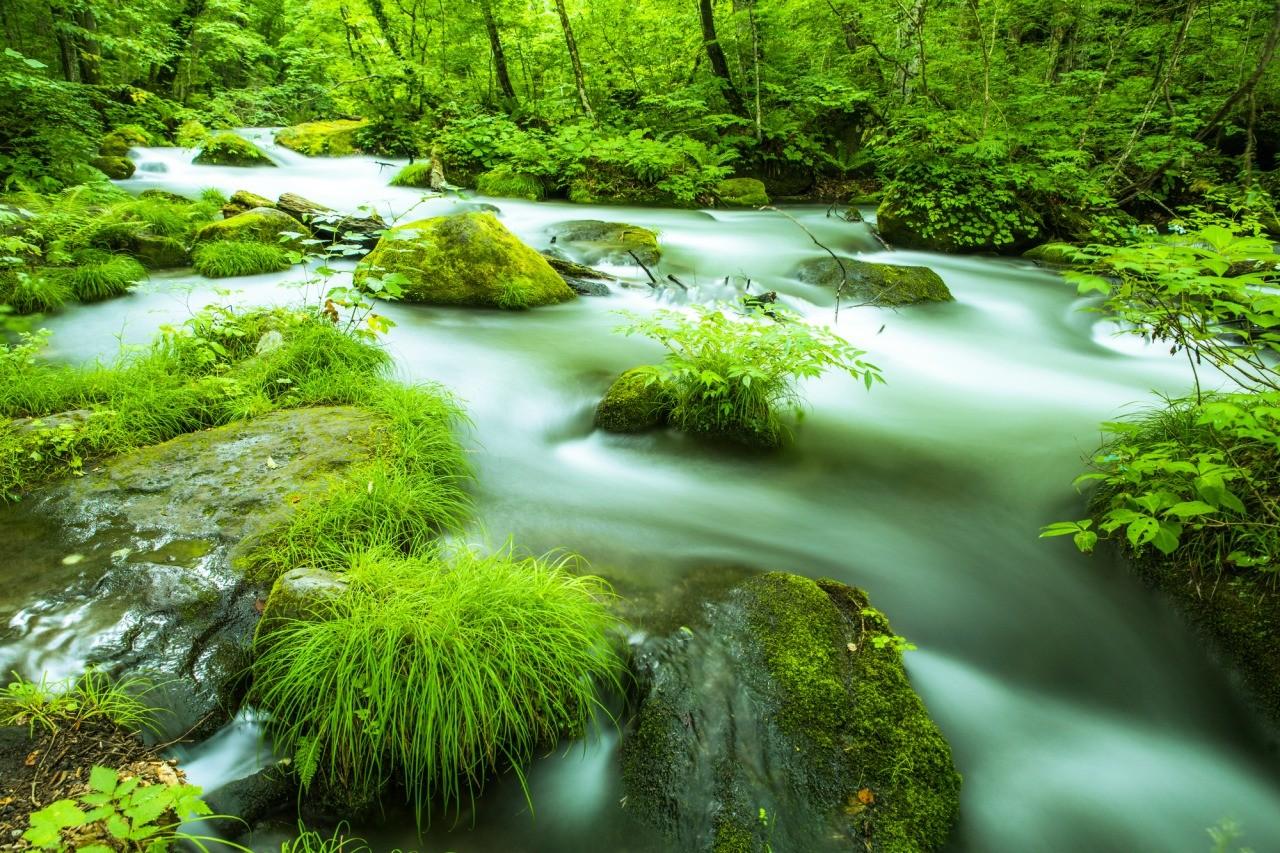
Lush green canopy providing shade along the river.
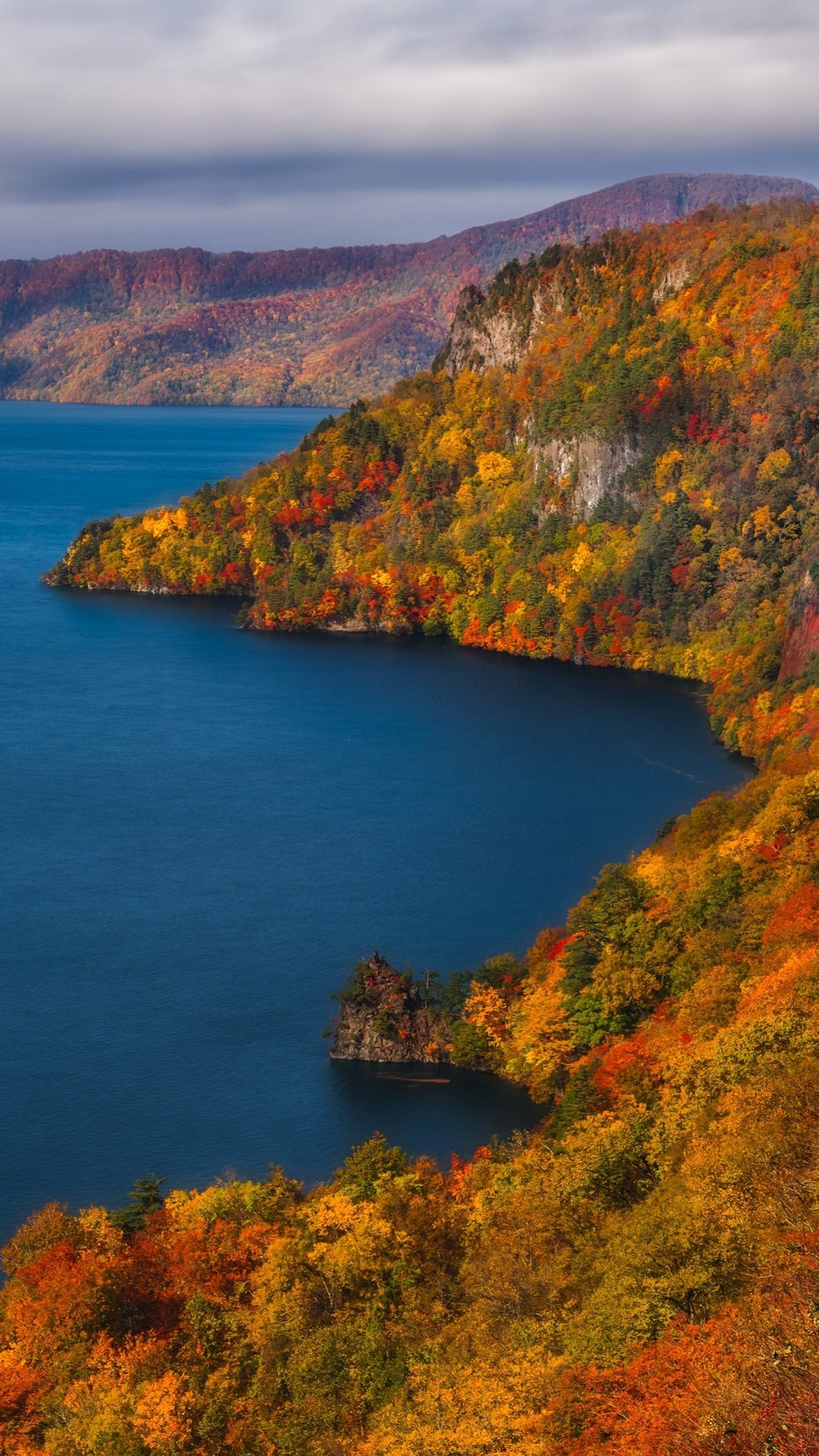
Vibrant foliage peaking in mid-to-late October.
January to February offers prime icefall viewing and snowy treks.
The official town website provides real-time updates on trail conditions.
Extreme cold drains electronic batteries significantly faster than normal conditions.
Purchase a JR Bus pass to save on travel costs between cities and the gorge.
Avoid stepping on frozen river ice as current flow is unpredictable beneath the surface.
Start your day at 09:00 to maximize light during the winter season.
Oirase Gorge carved its path through volcanic rock over thousands of years, but human awareness arrived late. The Nambu clan controlled the region during the Edo period, yet dense forest and winter isolation kept the gorge largely unexplored until the Meiji era. In 1928, surveyor Kenji Miyazawa passed through on a geological expedition and documented the frozen waterfalls in his field notes, though his account remained unpublished for decades. The gorge gained protected status in 1936 as part of Towada-Hachimantai National Park, prohibiting logging and preserving the old-growth beech forest that now defines the winter landscape. Winter access transformed slowly. Until the 1970s, heavy snowfall closed the gorge entirely from December through March. Local forestry workers used snowshoes to traverse the frozen stream during timber surveys, but recreational visits remained rare. The prefectural government paved the gorge road in 1974, enabling year-round vehicle access, yet guided oirase gorge tour winter excursions did not appear until the late 1980s when Towada city promoted icefall viewing as a niche attraction. Early tours faced criticism from conservationists who feared trampling would damage moss-covered rocks and disturb winter-dormant wildlife. Structured winter programming emerged after 2003, when Aomori prefecture established certified nature guide standards and designated viewing corridors to minimize ecological impact. Operators introduced crampons and trekking poles as mandatory equipment, reducing accidents on ice-covered trails. The 2011 Tohoku earthquake temporarily closed access, but restoration work reopened the gorge within eight months. Today, oirase gorge tour winter tickets include specialized icefall routes that showcase formations like Kumoi-no-taki and Shirohige Falls, frozen solid from January through February. The original forestry trails now serve as marked winter paths, preserving the alignment surveyors used nearly a century ago.
Gorge remains largely uncharted; Nambu clan forestry operations avoid the steep frozen terrain during winter months.
Geologist Kenji Miyazawa documents frozen waterfalls during a winter survey, producing the first written record of ice formations.
Towada-Hachimantai National Park designation protects the gorge, ending commercial logging and establishing conservation boundaries.
Aomori prefecture completes paving of the gorge road, enabling winter vehicle access for the first time.
First commercial oirase gorge tour winter programs launch, offering guided icefall viewing to small groups.
Aomori certifies nature guides and designates official winter viewing corridors to protect moss beds and reduce trail erosion.
Tohoku earthquake forces temporary closure; trail reinforcement and safety upgrades follow before reopening.
Stand on the wooden observation deck to capture the vertical ice pillars formed by the frozen waterfall cascades. The surrounding snow creates a high-contrast backdrop for macro shots of icicles.
Planning an oirase gorge tour winter trip involves preparing for snowy trails and sub-zero temperatures while exploring the ice-covered landscape. This Aomori natural landmark offers families a chance to witness frozen waterfalls through specialized guided snow treks.
Standard strollers are not suitable for snowy, icy paths during an oirase gorge tour winter tour, so families should use baby carriers. Most terrain is uneven and deep snow makes wheels ineffective.
Children aged six and older typically manage the walking pace best, as younger kids may tire quickly in the cold. You can book private oirase gorge tour winter tours to adjust the pace for slower walkers.
Public restrooms are available in the area, but these facilities may be limited or unheated during the colder months. Plan to bring a portable changing mat and carry out all waste, as there are few trash receptacles on the trail.
Expect to spend much of your time observing ice formations, so keep your itinerary flexible to accommodate small children. Purchasing oirase gorge tour winter tickets for guided sessions often provides structured breaks and safety oversight for families.
Dining options near the trail are limited during the colder months, so visitors planning an oirase gorge tour winter experience should prioritize hotel-based restaurants or pack light snacks. While some local establishments operate seasonally, most travelers rely on the amenities at the trailhead or pre-booked dining at nearby resorts to sustain their oirase gorge tour winter tour energy.
Enjoy a seasonal meal inside a private heated dome with local Aomori ingredients, typically open from December to March.
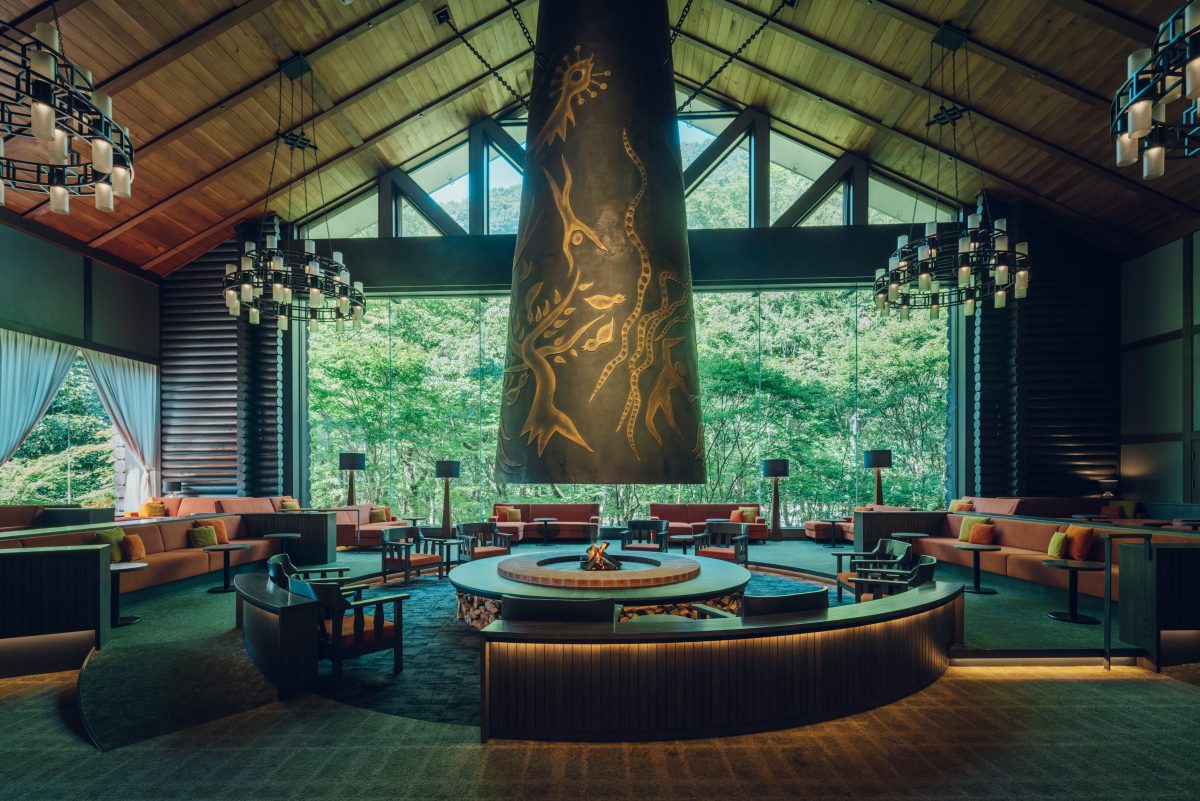
Located within the Oirase Keiryu Hotel, offering a wide selection of dishes including apple-infused specialties and local seafood.
An upscale French restaurant at Oirase Keiryu Hotel focusing on seasonal Aomori ingredients and fine wine pairings (requires advance booking).
A traditional stop near Lake Towada serving local catches like Himemasu red salmon and tempura sets.
Everything you need to know for your journey
The gorge is open 00:00–23:59, but we recommend visiting during daylight. Always monitor weather conditions for any oirase gorge tour winter.
There is a 0 JPY entrance fee for the area. No oirase gorge tour winter tickets are required to enter the park.
The best arrival window is 09:00–15:00 for optimal viewing of ice formations. This ensures safe visibility for your oirase gorge tour winter.
The trail can be slippery due to ice and snow. Exercise caution during your oirase gorge tour winter and wear appropriate traction gear.
There are no dining facilities along the trail. Carry your own food and water during your oirase gorge tour winter.
Families are welcome, though children should be supervised on the trail. Keep them close during your oirase gorge tour winter.
Yes, crampons and warm, waterproof clothing are recommended for an oirase gorge tour winter. Ensure you are prepared for freezing temperatures.
You can reach the location by bus from Aomori or Hachinohe station. Plan your transit before the oirase gorge tour winter begins.
Photography is encouraged throughout the site. Respect other hikers while documenting your oirase gorge tour winter.
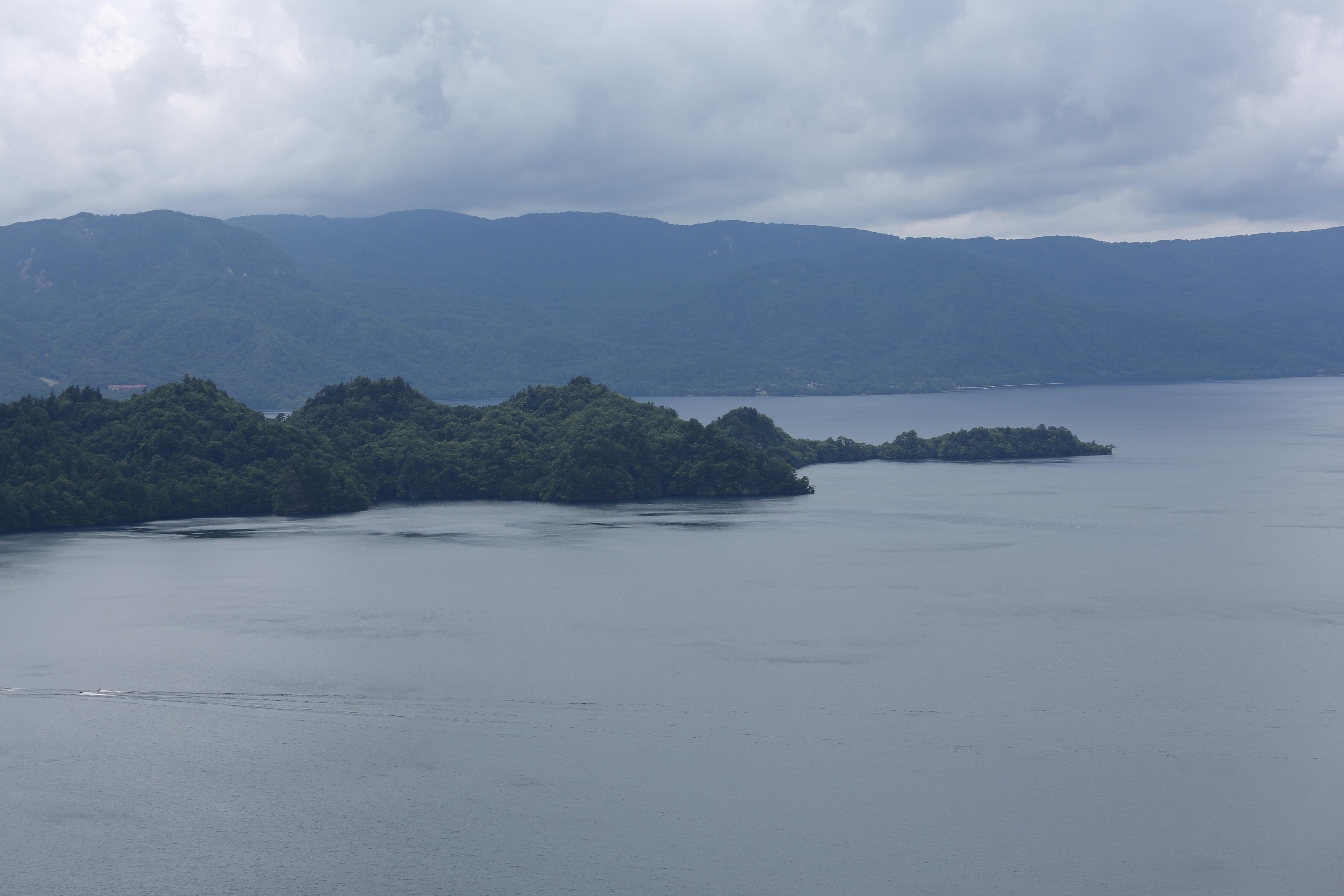
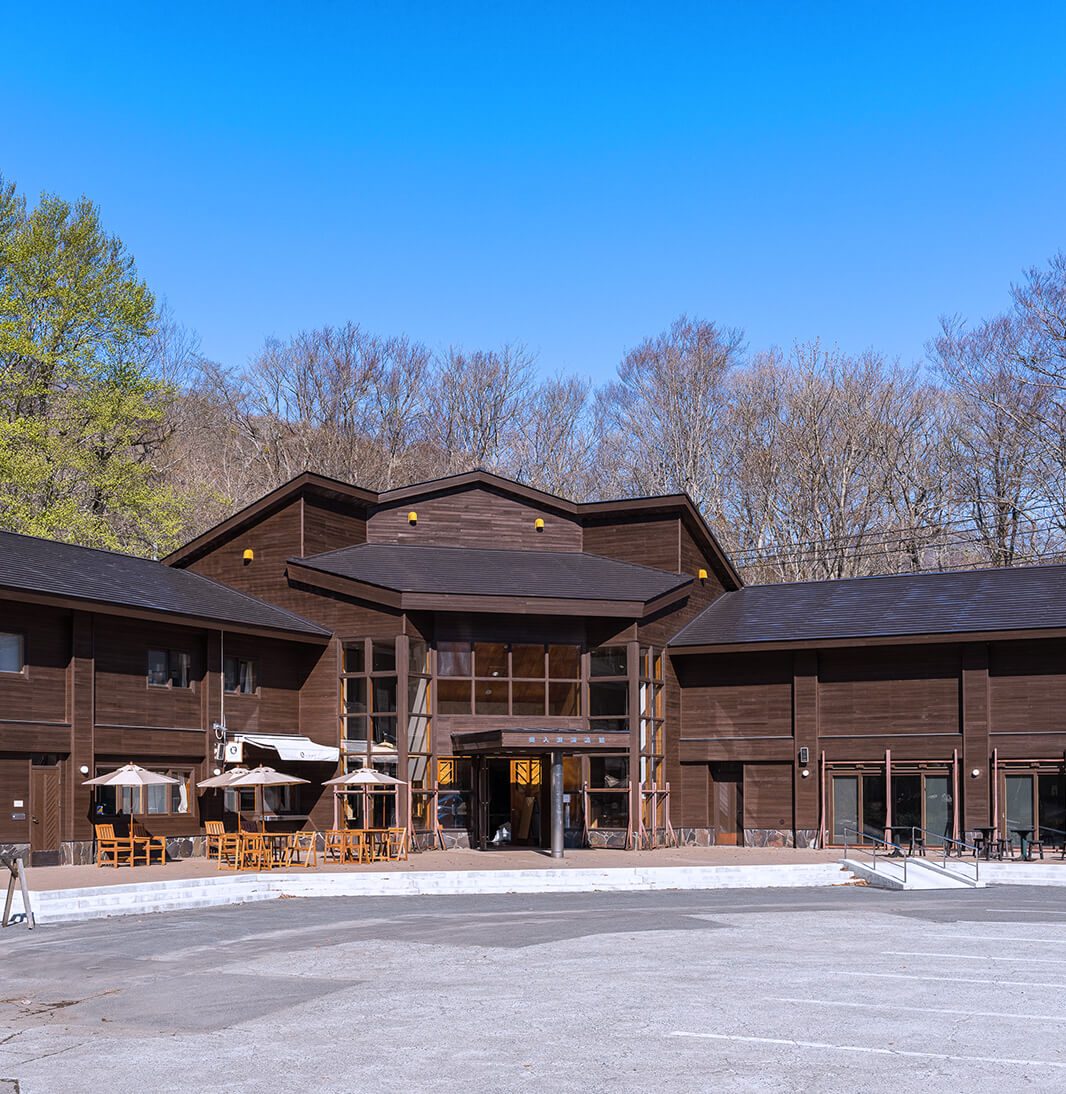
A scenic caldera lake known for its deep blue water and serene surroundings.
Educational center detailing the flora and geology of the river valley.
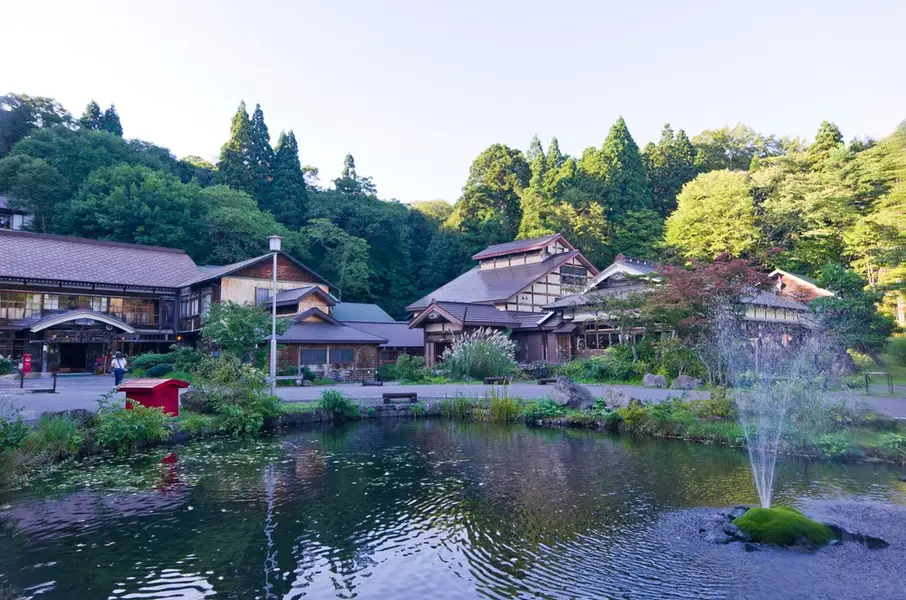
Historic hot spring area located within the nearby beech forest.
Upscale hotel located directly along the stream trail.
Various hotels and business inns located near the bus routes.
Affordable options for hikers and backpackers near the park.
Join thousands of happy travelers who have discovered this incredible experience
Book Your Experience Now